Facial masculinisation (FMS)
Facial Masculinization Surgery
Book your free consultation
Facial masculinisation (FMS) Facial Masculinization Surgery
Facial masculinisation (FMS)
FTM facial surgery to define masculine features
MADRID | ZURICH
Book your free consultation
Secondary surgery for trans women aims to correct, optimise or complete the results achieved following previous gender-affirming procedures. In the context of MTF (Male-to-Female) transition, these surgeries may be performed following procedures such as vaginoplasty, facial feminisation surgery (FFS), body feminisation or breast augmentation.
In some cases, secondary surgery allows for the treatment of post-operative complications or the improvement of aesthetic results that have not developed as expected following the initial procedure. In others, the aim is to refine certain anatomical aspects or to complete procedures that require more than one surgical stage.
Revision surgeries require particularly careful planning, as they involve working on previously operated tissue. For this reason, the medical assessment includes an analysis of the techniques used previously, the current condition of the tissue and each patient’s objectives.
Dr Richard Fakin has extensive international experience in primary and secondary surgery within the field of gender-affirming surgery and MTFsurgery, undertaking complex revisions with a reconstructive and aesthetic approach aimed at achieving safe and natural results.
-
DURATION 60 – 180 minutes
-
DISCHARGE FROM THE CLINIC The same day or the next day
-
RETURN TO WORK 7 - 10 days
-
DURATION 60 – 180 minutes
-
DISCHARGE FROM THE CLINIC The same day or the next day
-
RETURN TO WORK 7 - 10 days
-
SOCIALLY PRESENTABLE 7 days
-
ANESTHESIA General or sedation
-
FULL RECOVERY Between 3–6 weeks
-
SOCIALLY PRESENTABLE 7 days
-
ANESTHESIA General or sedation
-
FULL RECOVERY Between 3–6 weeks
Indications
When can facial masculinisation be considered?
Facial masculinisation can be considered when a person wishes to modify certain facial structures to achieve more masculine and defined features.
In the case of trans men undergoing FTM transition, these procedures can help harmonise facial proportions and reinforce certain features typically associated with a masculine face. Depending on the individual case, facial masculinisation can contribute to:
- define the mandibular contour
- project your chin
- modify the shape of the nose
- redistribute facial volume
- reduce lip volume
Treatment planning is always carried out after an individualised medical assessment, taking into account the facial anatomy and the goals of each patient.
Surgical techniques
Procedures used in facial masculinisation
Facial masculinisation can include different procedures designed to modify the bone structure and soft tissues of the face to achieve a more masculine contour.
Chin and jaw
The lower third of the face plays a fundamental role in the perception of masculine features. Among the most commonly used techniques are:
- chin implants to increase projection
- remodeling of the mandibular angles
- volume increase using fat or fillers
These procedures allow for a more defined and angular mandibular contour.
Masculinising rhinoplasty
The shape of the nose also influences the overall perception of the face. Masculinising rhinoplasty allows for modification of the nasal structure to create proportions more in line with masculine facial features.
In certain cases, hyaluronic acid can also be used to make adjustments to the nasal contour without surgery.
Facial volume restoration
The distribution of facial volume often differs between men and women. In some cases, liposuction can be performed on specific areas, or fat transfer can be used to modify facial contours. Fat transfer allows for adding volume to areas such as:
- jaw
- chin
- temples
- supraorbital area
Lip volume reduction
In certain cases, lip reduction can be performed to achieve proportions more in line with masculine facial features. This procedure is performed using techniques that minimise the visibility of scars.
Non-surgical treatments
In some patients, facial masculinisation can be complemented with non-invasive treatments designed to improve facial contours. These include:
- hyaluronic acid fillers
- botulinum toxin
- thread lifts for contour definition
These procedures can be used alone or in combination with surgery.
Scars
Location of scars in facial masculinisation surgery
The incisions used during facial masculinisation procedures are carefully planned to minimise the visibility of scars. The location of the incisions depends on the technique used and the area of the face being modified.
In many cases, surgical approaches are performed in inconspicuous or internal areas, such as inside the mouth, the nasal cavity, or the hairline. This allows scars to remain discreet and fade naturally with the surrounding tissues as the healing process progresses.
Planning these incisions is an essential part of the surgery, as it allows for more harmonious and natural aesthetic results.
Recovery and results
Recovery after facial masculinisation surgery
Recovery and results
Recovery after facial masculinisation surgery
Thanks to the good blood supply to the facial region, recovery after facial masculinisation surgery is usually relatively quick compared to other surgical procedures.
During the first few days, swelling or minor bruising may appear, which generally decreases gradually during the first week. In many cases, patients can resume their daily activities within approximately seven to ten days.
The results of facial masculinisation gradually solidify as the tissues heal and the face adapts to the new proportions. The goal of the surgery is to achieve a balanced and natural masculine appearance, always respecting the anatomy and individual characteristics of each patient.
Facial masculinisation:
Frequently Asked Questions
What is FTM facial masculinisation?
FTM facial masculinisation is a set of procedures designed to modify certain facial structures to achieve a more masculine appearance in trans men.
Is it necessary to perform all procedures in one surgery?
Not necessarily. In some cases, several procedures may be combined in a single intervention, while in others they are performed in stages.
How long is the recovery time after facial masculinisation?
Initial recovery usually takes about a week, although it may take several weeks for the tissues to fully stabilise.
Does facial masculinisation leave visible scars?
Incisions are made in inconspicuous or internal areas, allowing the scars to remain inconspicuous over time.
Can facial masculinisation be performed without surgery?
In certain cases, non-invasive treatments such as facial fillers or botulinum toxin can be used to modify facial contours.
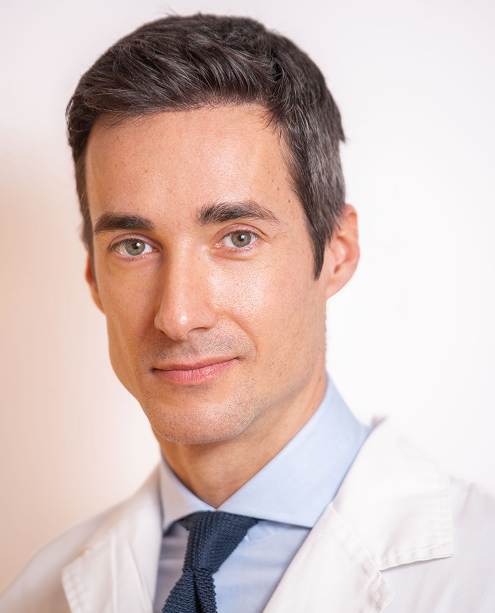
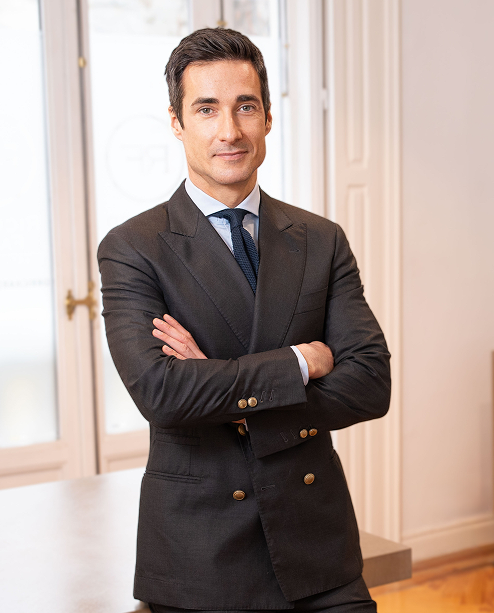
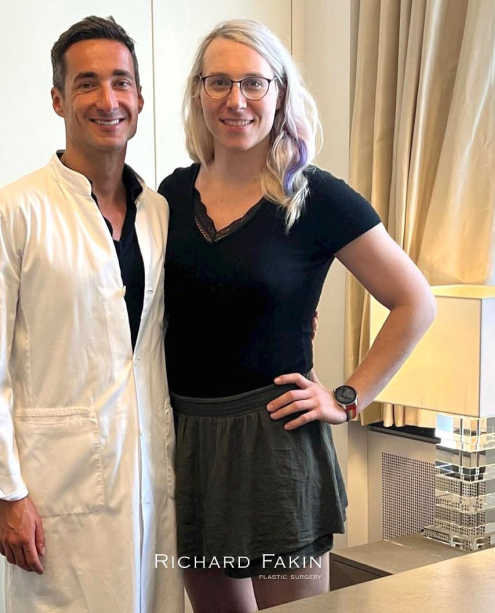
Dr. Richard Fakin
Internationally recognised plastic surgeon


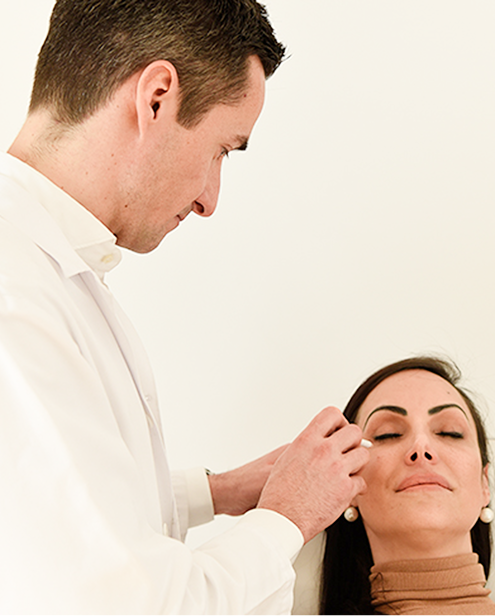
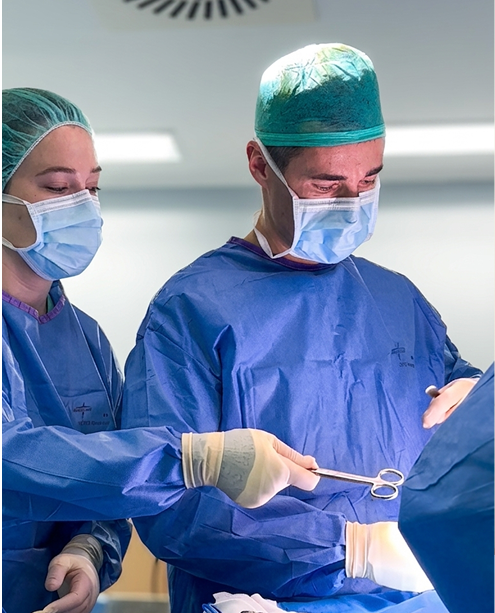
At his clinics in Madrid and Zurich, Dr. Fakin leads a highly professional and committed team of specialists who share the same philosophy: to provide medically rigorous care while maintaining a warm, compassionate approach. Each patient receives personalised support, from the first consultation through to postoperative follow-up.
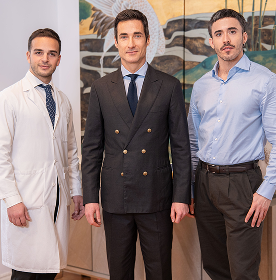
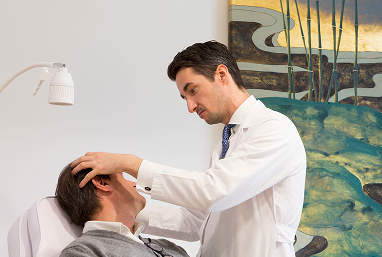
Beyond surgical technique, the commitment of Dr. Fakin and his team is reflected in transparent, honest and personalised care, where each patient is treated with dedication and professionalism at every stage of the process.
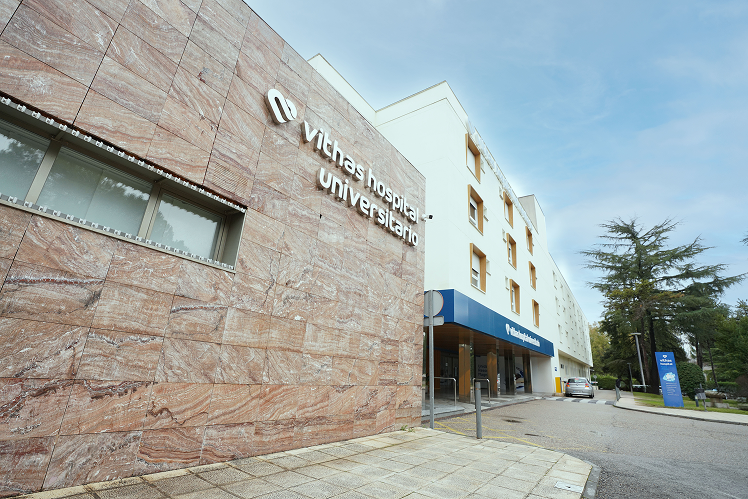
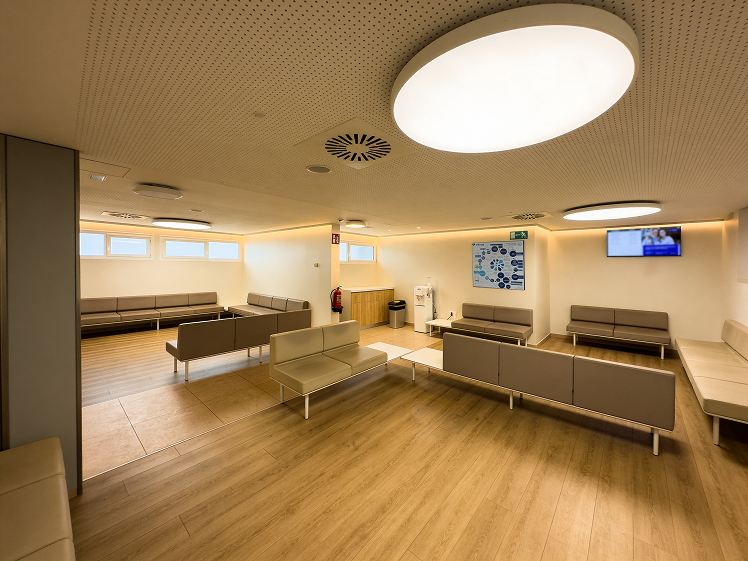
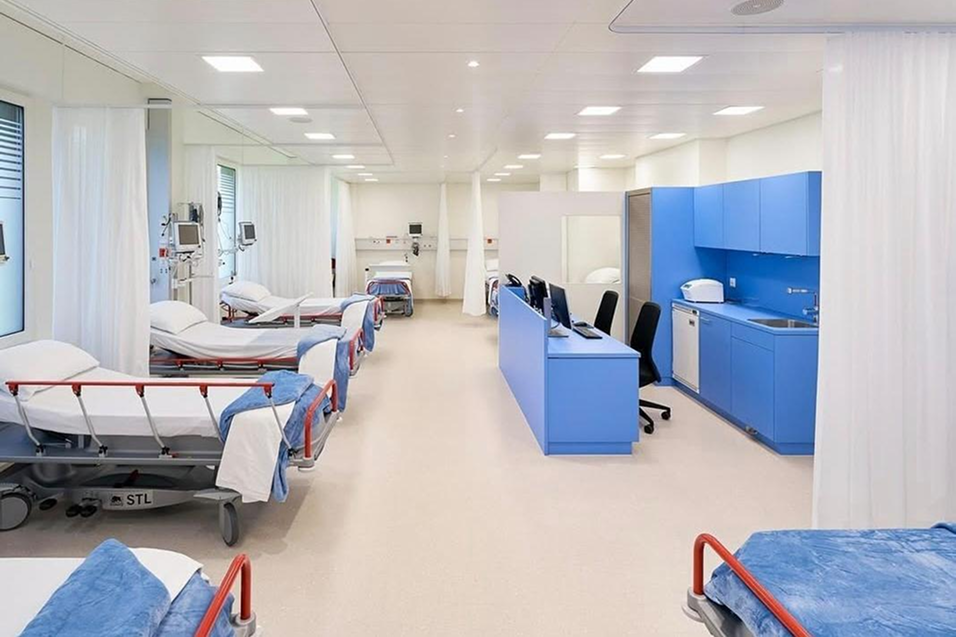
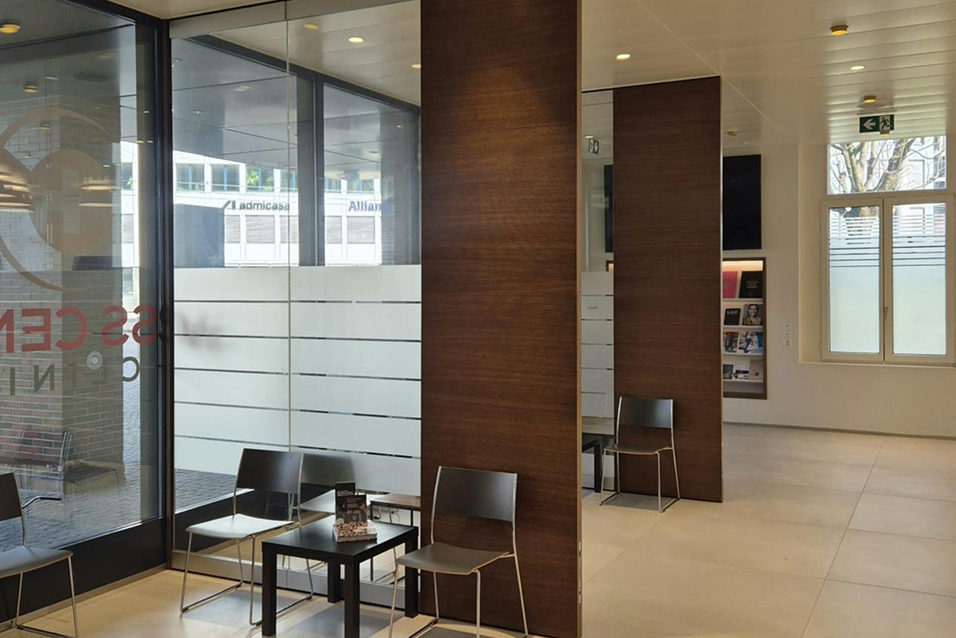
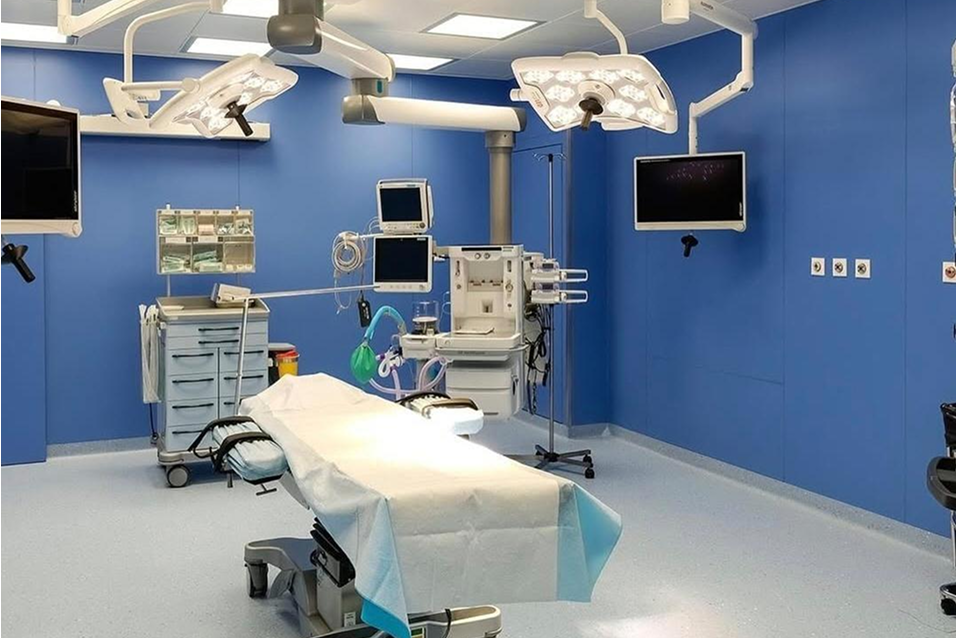
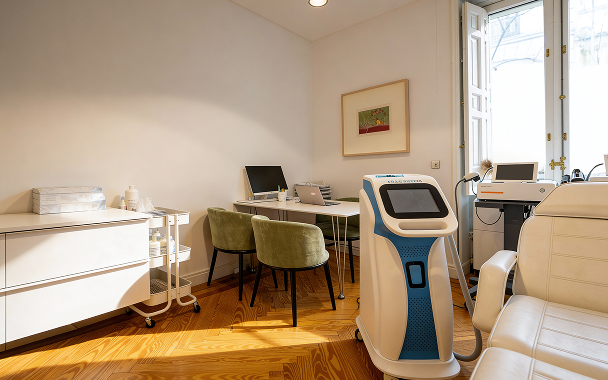
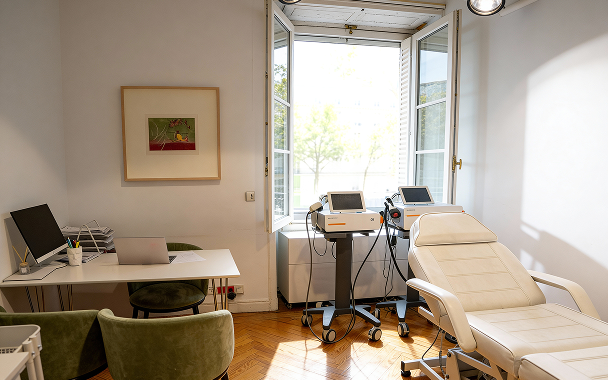
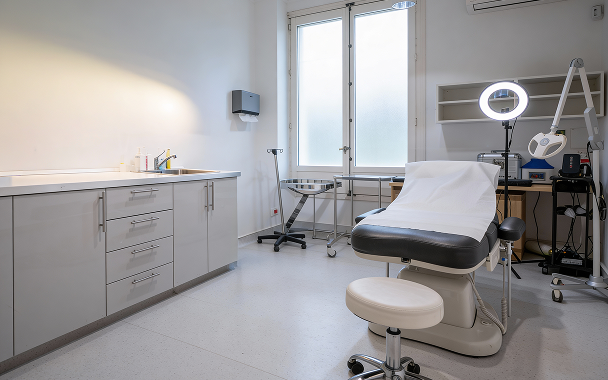
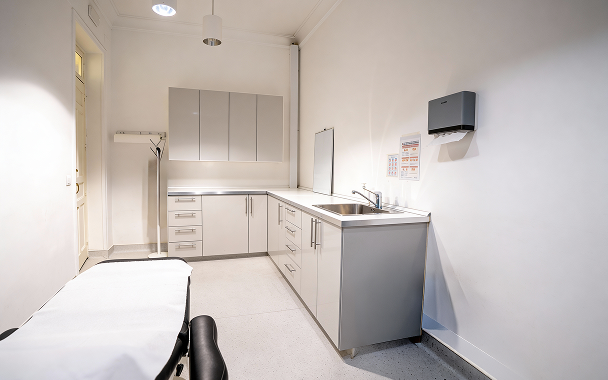
Our facilities
Madrid
-
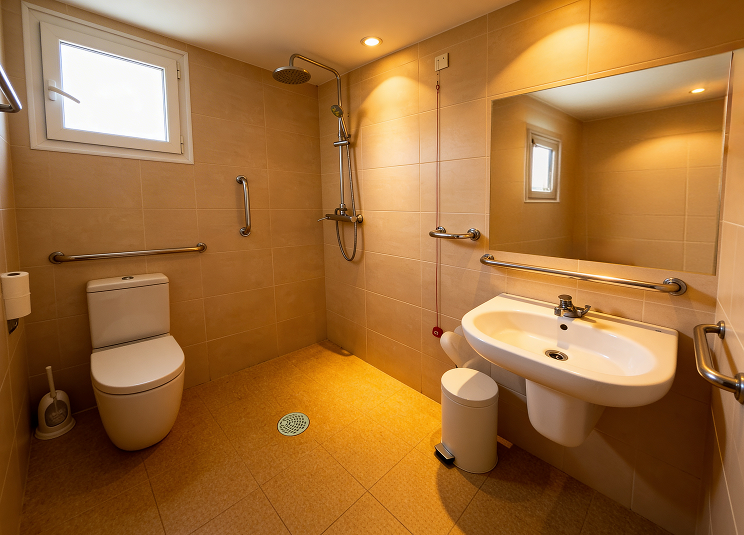
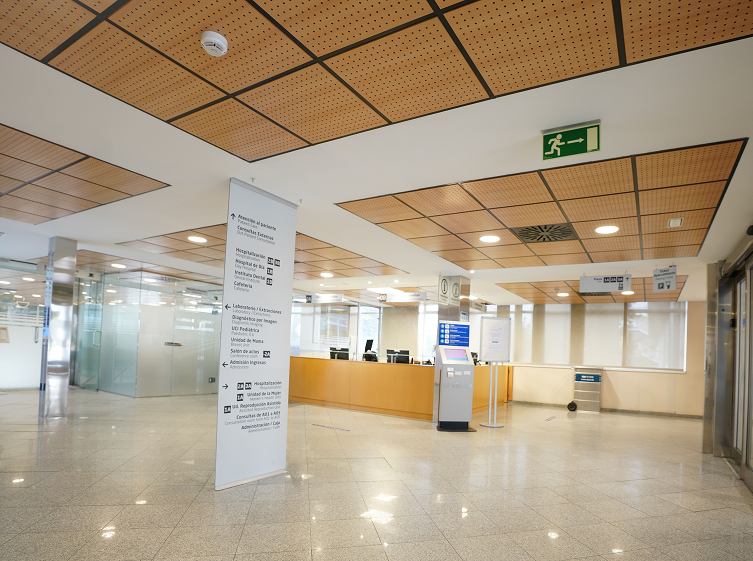
C. de Velázquez, 109, 28006 Madrid, Spain
-
madrid@drrichardfakin.com
-
+34 679 85 86 39
-
C. de Velázquez, 109, 28006 Madrid, Spain
-
madrid@drrichardfakin.com
-
+34 679 85 86 39
Zurich
-
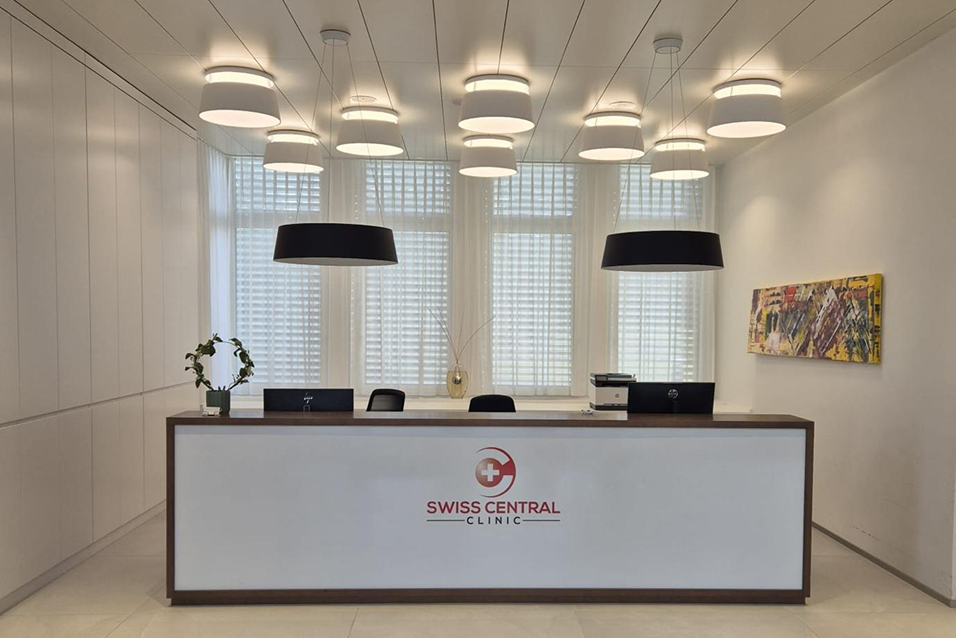
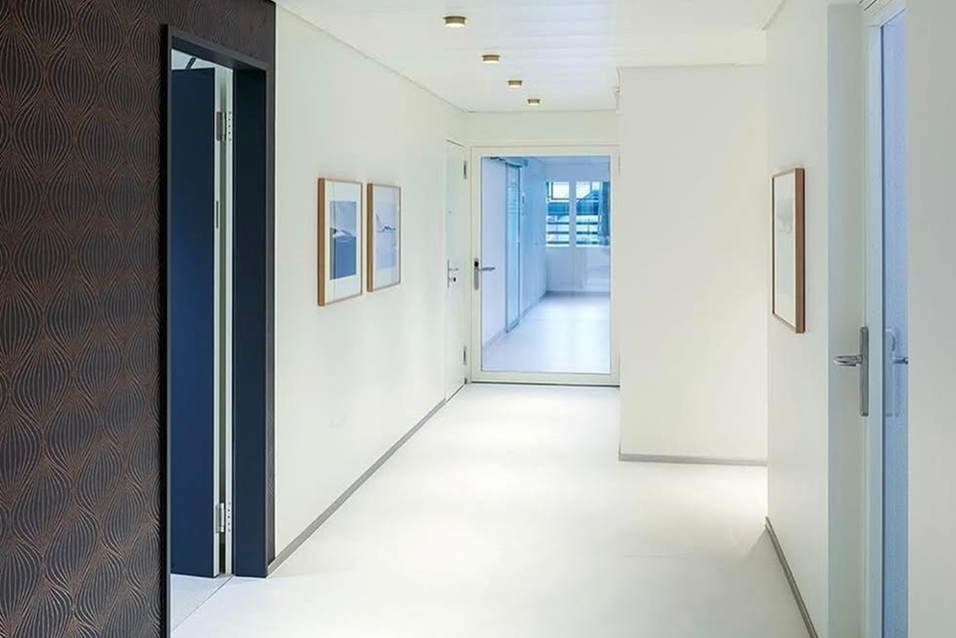
Giesshübelstrasse 45, 8045 Zurich
-
zurich@drrichardfakin.com
-
+41 78 206 44 88
-
Giesshübelstrasse 45, 8045 Zurich
-
zurich@drrichardfakin.com
-
+41 78 206 44 88
Book your free consultation