Vaginoplasty
for trans women
First consultation free
Vaginoplasty
for trans women
Vaginoplasty
Gender affirmation surgery to create a functional and aesthetic female genital anatomy
MADRID | ZURICH
The vaginoplasty It is one of the most important procedures within gender-affirming surgery. Its goal is to create a female genital anatomy that aligns physical appearance with gender identity, significantly improving personal well-being and quality of life.
In the case of trans women, vaginoplasty allows for the reconstruction of a complete and functional vulva, including the creation of labia majora, labia minora, clitoris, urethral opening, and vaginal cavity.
He Dr. Richard Fakin, A specialist with extensive international experience in genital surgery, performs these procedures based on the surgical technique developed in Thailand, acquired during his training with the Dr. Preecha Tiewtranon at the Preecha Aesthetic Institute (PAI) and at the King Chulalungkorn University Hospital of Bangkok.
Each procedure is planned individually to ensure natural, functional results adapted to each patient's anatomy.
-
DURATION 3-5 hours (including breast augmentation)
-
DISCHARGE FROM THE CLINIC 1 week
-
BACK TO WORK 4-6 weeks
-
DURATION 3-5 hours (including breast augmentation)
-
DISCHARGE FROM THE CLINIC 1 week
-
BACK TO WORK 4-6 weeks
-
SUITABLE FOR SOCIETY 14 days
-
ANESTHESIA General
-
FULL RECOVERY 2-3 months
-
SUITABLE FOR SOCIETY 14 days
-
ANESTHESIA General
-
FULL RECOVERY 2-3 months
Available vaginoplasty techniques for trans women
The surgical technique used in vaginoplasty for transgender women aims to create a complete female genital anatomy. The Thai method allows for reconstruction in a single procedure:
- Labia majora
- Labia minora
- Clitoris
- Urethral orifice
- Mount of Venus
- Neovaginal cavity
For vaginal cavity reconstruction there are mainly two surgical techniques.
Penile inversion (PSI)
This technique uses the inverted penile skin to form the vaginal cavity. In some cases, a skin graft from the scrotum to ensure adequate depth, regardless of the initial size of the penis.
The aim is generally to obtain an approximate vaginal depth of 12 to 14 cm, taking into account that natural vaginal depth usually varies between 8 and 11 cm.
Sigmoid colon interposition
This procedure uses a segment of approximately 14 cm of the sigmoid colon to form the vaginal cavity. The intestinal segment closes at one end and connects to the vaginal opening, while the colon reconnects to maintain its normal function.
This technique is performed in conjunction with a team of colorectal surgeons, through laparoscopic surgery, which allows for a minimally invasive approach and reduced scarring.
From an aesthetic point of view, the external result of the vulva is comparable to that obtained with the penile inversion technique.
Factors that determine the vaginoplasty technique
Although the final aesthetic result is usually similar with both techniques, vaginal cavity reconstruction is determined according to each patient's anatomy and characteristics. The following factors are typically considered:
- Smaller penis size: Reconstruction with an intestinal segment (sigmoid colon interposition) is usually recommended.
- Average-sized penis: The penile inversion technique combined with skin grafting is usually used.
- Large penis: Penile inversion can usually be performed without the need for an additional graft.
The colon interposition technique also offers the benefit of providing natural lubrication, as intestinal secretions can resemble vaginal discharge. The final choice is made after an individualized medical evaluation, analyzing the advantages and characteristics of each technique.
Recovery after vaginoplasty surgery
Recovery after vaginoplasty requires careful postoperative follow-up to ensure an optimal result from both a functional and aesthetic point of view.
During the initial postoperative period, the use of vaginal dilators It is essential for maintaining the depth and flexibility of the neovagina. Regular dilation is usually especially important during the first 12 months, a period in which the tissues heal and adapt to their new structure.
Our nursing team provides each patient with:
- A set of vaginal dilators
- Detailed instructions for use
- Personalized pre- and post-operative recommendations
Over time, regular checkups with a gynecologist are recommended to ensure proper monitoring of the neovagina. At our clinics, we offer medical support and guidance to guarantee comprehensive and safe clinical management.
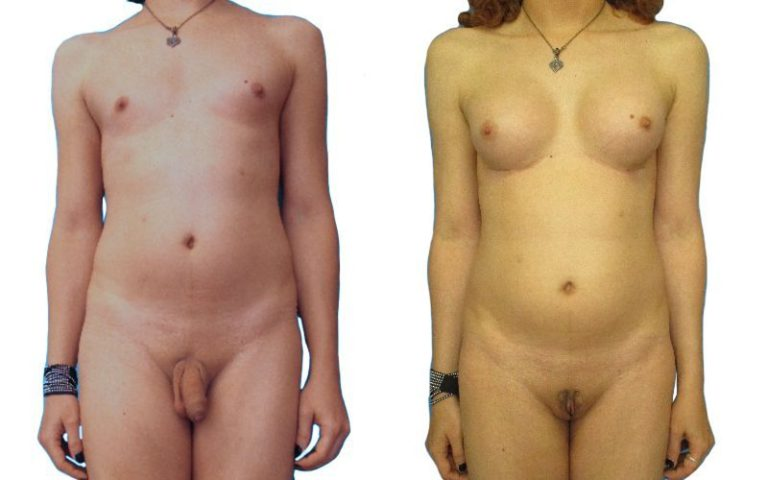
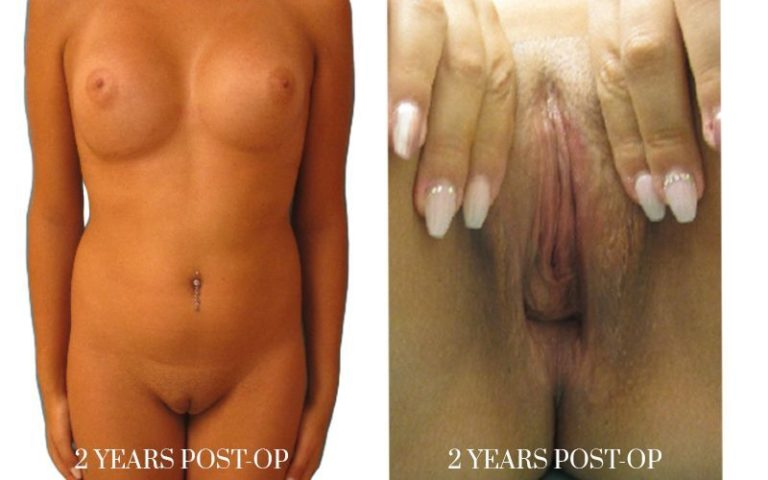
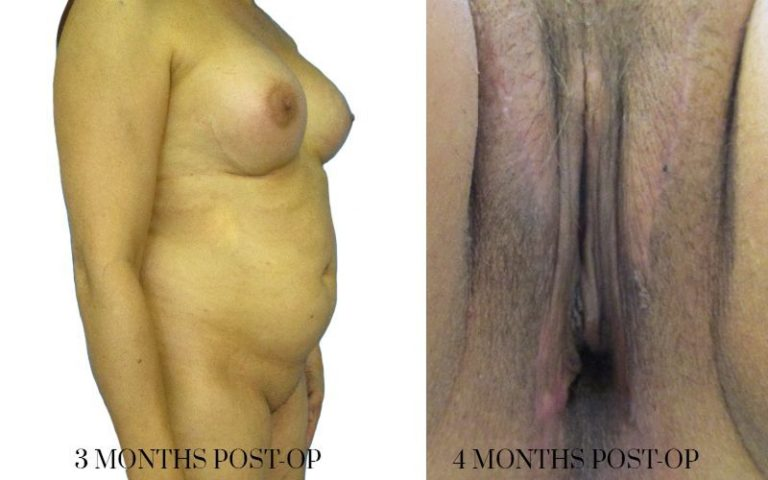
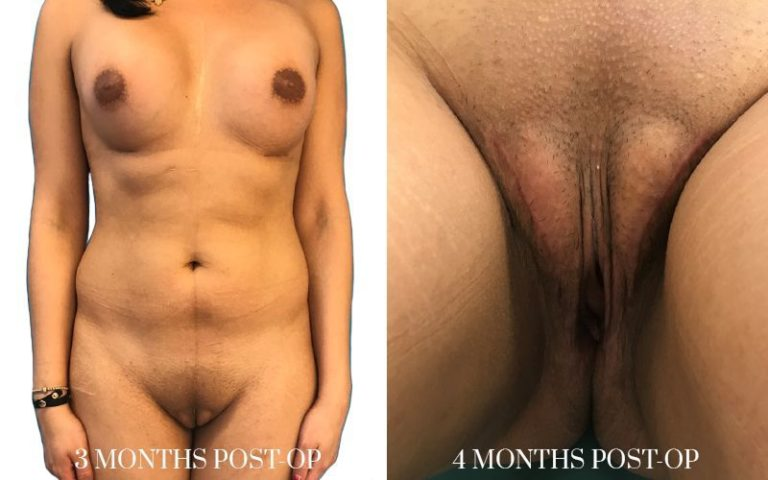
Real case results
before and after vaginoplasty
The goal of vaginoplasty is to create a functional, aesthetic, and harmonious female genital anatomy, adapted to the characteristics of each patient.
Below are real cases of vaginoplasty before and after surgery, where the results obtained after the procedure can be observed.

Testimonials
Dr. Richard Fakin's Experience
He Dr. Richard Fakin He is internationally recognized as one of the specialists in gender affirmation surgery.
She has participated in numerous international congresses and has multiple scientific publications in the field of reconstructive genital surgery.
After training with the Dr. Preecha Tiewtranon at the Preecha Aesthetic Institute (PAI) in Bangkok and at King Chulalungkorn University Hospital, Dr. Fakin He introduced the Thai technique to Europe and led the gender reassignment surgery program of University Hospital of Zurich.
Their practice is based on the principles of safety, respect, professionalism and trust, with a focus on the well-being of each patient.
Vaginoplasty:
Frequently Asked Questions
What is vaginoplasty in trans women?
Vaginoplasty is a gender-affirming surgery that creates female genital anatomy. During the procedure, structures such as the vaginal cavity, labia majora and minora, clitoris, and urethral opening are reconstructed, aiming for a functional and aesthetic result.
What techniques are used to perform a vaginoplasty?
There are different surgical techniques. The most commonly used are vaginoplasty with penile inversion and vaginoplasty with sigmoid colon interposition. The choice depends on each patient's anatomy and the goals of the procedure.
How long does vaginoplasty surgery take?
The procedure usually lasts between 3 and 5 hours, depending on the technique used and any additional procedures that may be performed during the surgery.
How long does recovery take after vaginoplasty?
Initial recovery typically takes several weeks. Many patients can resume daily activities after 4 to 6 weeks, while full recovery can take 2 to 3 months.
What is vaginal dilation after surgery?
After vaginoplasty, regular vaginal dilations are necessary to maintain the depth and flexibility of the neovagina. This process is usually especially important during the first year after surgery.
How deep can the neovagina be?
In most cases, the goal is to achieve a depth of approximately 12 to 14 cm, within the normal ranges of vaginal anatomy. The final depth may vary depending on the surgical technique used and the anatomical characteristics of each patient.
Are vaginoplasty scars visible?
The incisions are made in strategic anatomical areas so that the scars are as inconspicuous as possible. Over time, they usually blend naturally into the surrounding tissue.
Dr. Richard Fakin
international elite surgeon


At his clinics in Madrid and Zurich, Dr. Fakin leads a highly professional and committed team of specialists who share the same philosophy: to offer rigorous medical care, but friendly in its human approach. Each patient receives individualized support, from the first consultation to post-operative follow-up.
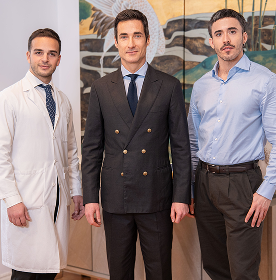
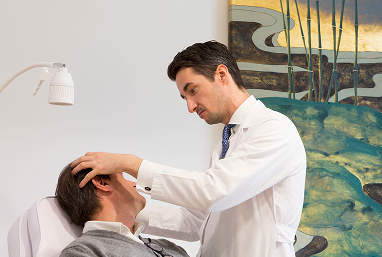
Beyond the technique, Dr. Fakin and his team's commitment is reflected in transparent, honest, and personalized care, where Each patient is treated with dedication and professionalism in all phases of the process.
Our facilities
Madrid
-
C. de Velázquez, 109, 28006 Madrid, Spain
-
madrid@drrichardfakin.com
-
+34 679 85 86 39
-
C. de Velázquez, 109, 28006 Madrid, Spain
-
madrid@drrichardfakin.com
-
+34 679 85 86 39
Zurich
-
Giesshübelstrasse 45, 8045 Zurich
-
zurich@drrichardfakin.com
-
+41 78 206 44 88
-
Giesshübelstrasse 45, 8045 Zurich
-
zurich@drrichardfakin.com
-
+41 78 206 44 88