Gender affirmation surgery is an important step for many people in their transition process. However, surgery is only part of the journey. Recovery after gender affirmation surgery also plays a key role and often raises many questions prior to surgery.
How long does recovery take? When can I return to work? Is swelling normal? When do results start to show?
Although each procedure has specific particularities, there are some common stages that help to understand how the recovery process evolves after gender affirmation surgery. Knowing these stages allows you to face the postoperative period with realistic expectations and to understand that the evolution usually takes place progressively.
What is the recovery like after gender affirmation surgery?
Recovery is not the same for everyone. The evolution depends on the procedure performed, the anatomical characteristics of each patient and how the body responds during the healing process.
For this reason, recovery after vaginoplasty is different from that of facial feminisation surgery, male mastectomy or breast augmentation in trans women. Even so, they all share a common element: the results need time to stabilise and should be assessed progressively.
During the first few weeks it is common to experience swelling, tenderness in the operated area and changes that are part of the normal recovery process. Medical follow-up and compliance with the postoperative recommendations are fundamental aspects in order to favour an adequate evolution.
Recovery after gender affirmation surgery: indicative timeline
Recovery may vary from person to person, but this timeline provides an understanding of how the process generally evolves.
| Moment | What usually happens |
|---|---|
| First 24-72 hours | Rest, control of discomfort, initial inflammation and first postoperative indications. |
| First week | Progressive adaptation to recovery, medical check-ups and follow-up of treatment. |
| First month | Gradual decrease in swelling and gradual return to many daily activities. |
| First 3 months | The tissues continue to evolve and the results are starting to become clearer. |
| Between 6 and 12 months | Greater tissue stabilisation and more realistic assessment of the final result. |
How long does recovery take depending on the type of surgery?
Recovery after gender affirmation surgery is not the same for everyone. Factors such as the procedure performed, individual anatomy, healing progress and adherence to medical recommendations can influence recovery times.
| Procedure | Gradual return to daily activities*. | Evolution of inflammation | More stable result |
| Vaginoplasty | Variable on a case-by-case basis | Progressive decline over several months | Between 6 and 12 months |
| Top Surgery (male mastectomy) | Usually within a few weeks | Gradual evolution during the first months | Several months |
| Facial Feminisation (FFS) | Variable according to the extent of surgery | Can last for several months | Up to 12 months |
| Breast augmentation in trans women | Usually within a few weeks | Gradual decline during the following months | Several months |
*Recovery times may vary from patient to patient and should always be interpreted in accordance with the indications of the medical team responsible for post-operative follow-up.
Recovery after vaginoplasty
The recovery of a Vaginoplasty requires careful monitoring and active participation on the part of the patient. During the first few weeks, it is common to experience swelling and tenderness in the operated area, as well as progressive changes in the appearance of the tissues.
Dilations are a standard part of the postoperative protocol and play an important role during recovery. The frequency and duration of this process depends on each case and the recommendations of the medical team. As the months go by, the tissues continue to evolve and the results progressively stabilise.
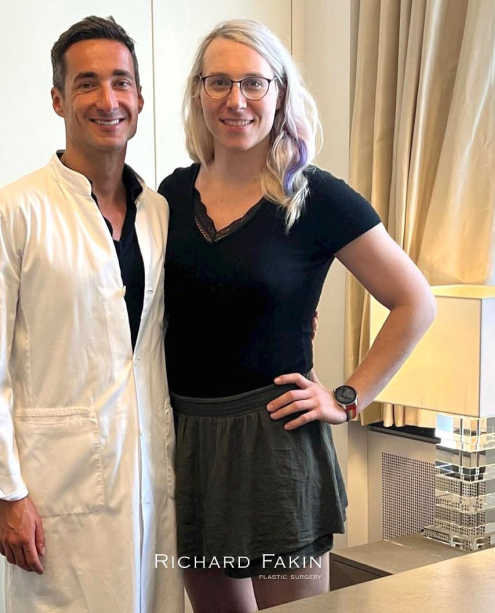
In this video, Debra shares part of her recovery process after vaginoplasty. She spent the first few days in hospital under medical supervision, and gradually she was able to get up, walk and regain her strength with the support of Dr. Richard Fakin's team.
You can learn more in our article on what results can be expected after vaginoplasty and real patient experiences.
Recovery after Top Surgery
The Top Surgery or mastectomy The male version usually involves the use of compression garments for part of the postoperative period. During the first few weeks it is normal to experience swelling, tenderness and some limitation of movement.
The gradual return to daily activities is carried out in accordance with medical indications and respecting the time required for the tissues to heal. The evolution of the scars continues for several months and is part of the normal recovery process.
The evolution 20 days after a Top Surgery
In some cases, the first few weeks allow an initial evolution of the result to be seen, although the recovery process continues for several months. In this reel, we share the experience 20 days after an FTM mastectomy performed by Dr Richard Fakin. His case shows an early postoperative phase, where swelling may still be present and healing is still evolving.
It is important to remember that each recovery is different. The time it takes to resume activities, assess scars or appreciate the final result depends on the technique used, the anatomy of each patient and the indications of the medical team.
Recovery after facial feminisation surgery (FFS)
The surgery of facial feminization may involve different procedures, so recovery varies from case to case. During the first few weeks there is usually facial swelling, especially in the areas that have undergone surgery. Although many patients are able to resume some of their social activity relatively soon, the tissues continue to evolve for months.
For this reason, the results of a FFS should be assessed with patience and bearing in mind that the final definition may take time.
Recovery after breast augmentation in transgender women
After a breast augmentation it is common to experience swelling and a feeling of tension in the chest during the first few days. The progressive adaptation of the tissues and implants is part of the recovery process. As the swelling subsides, the breast takes on a more natural and stable appearance. The return to physical activity is usually done gradually and always following the recommendations of the medical team.
Emotional aspects during recovery
Recovery is not just a physical process. Many people experience intense emotions during the weeks following surgery. Excitement about the changes, impatience to see the final result or doubts about the process are all part of an experience that may be different for each patient. Understanding that recovery is progressive helps to maintain realistic expectations. Results are rarely seen immediately and the evolution continues for months. Having professional, family or social support can be of great help during this stage.
Frequently asked questions about recovery after gender affirmation surgery
How long will I be on sick leave after gender affirmation surgery?
Is swelling after surgery normal?
When will the final results be seen?
Can I exercise during recovery?
Do all people recover in the same way?
Recovery is also part of the process
Gender affirmation surgery does not end when you leave the operating theatre. Recovery is part of the process and requires time, patience and proper follow-up.
Understanding how each stage evolves allows you to approach the postoperative period with greater peace of mind and more realistic expectations. Although each procedure has its own particularities, the aim is always to promote a safe recovery and a progressive evolution of the results.
If you are considering gender affirmation surgery or have any doubts about the recovery process, you can consult the specific pages for each procedure or ask for a personalised assessment with the Dr. Richard Fakin in Madrid or Zurich.
Request a personalised assessment with Dr. Richard Fakin
This article is for information purposes only and is not a substitute for professional medical advice. Always consult a qualified specialist about your specific case.