Breast reduction:
improved proportion, comfort
and quality of life
Book your free consultation
Breast reduction to improve proportion and comfort
Breast reduction
Breast reduction surgery to reduce breast volume and redefine the shape of the breast
MADRID | ZURICH
Book your free consultation
Excessively large breasts can cause physical discomfort and affect the quality of life of many women. Back or neck pain, skin irritation under the breasts or difficulty engaging in physical activity are common issues among patients with breast hypertrophy.
When breast size causes discomfort or limits certain activities, breast reduction, also known as reduction mammoplasty, may be an option to consider. This surgery aims to reduce the size of the breasts and reshape them to achieve a more balanced proportion with the rest of the body.
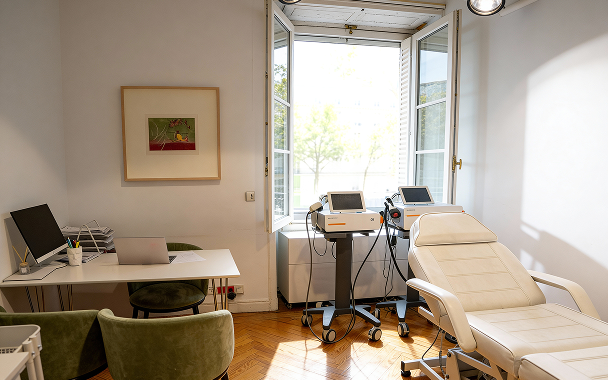
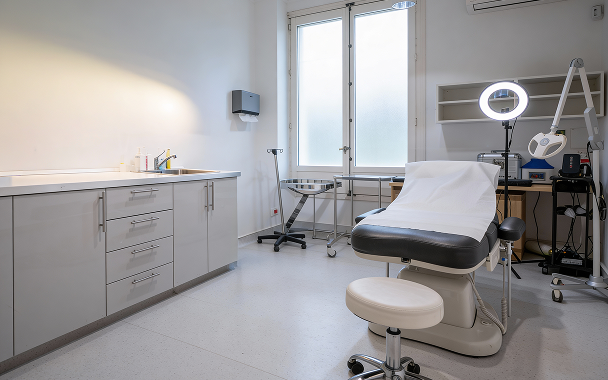
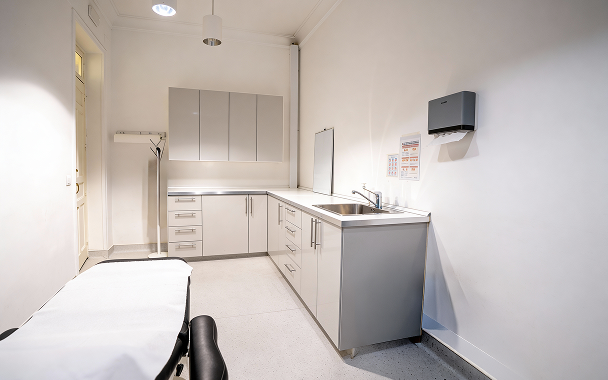
The aim of the procedure is not only to reduce breast volume, but also to improve their shape and position, whilst maintaining a natural and proportionate result. At our clinics in Madrid and Zurich, each case is assessed individually to determine whether this surgery is the most suitable option and which technique is likely to offer the best result.
-
DURATION 120 - 200 minutes
-
DISCHARGE FROM THE CLINIC Same day
-
RETURN TO WORK 7 days
-
DURATION 120 - 200 minutes
-
DISCHARGE FROM THE CLINIC Same day
-
RETURN TO WORK 7 days
-
SOCIALLY PRESENTABLE 3 - 6 days
-
ANESTHESIA General
-
FULL RECOVERY 4-6 weeks
-
SOCIALLY PRESENTABLE 3 - 6 days
-
ANESTHESIA General
-
FULL RECOVERY 4-6 weeks
Indications
What problems a breast reduction can correct
Breast reduction surgery is primarily recommended when the size of the breasts causes physical discomfort or makes the body appear disproportionate.
In these cases, the problem is often not only aesthetic, but also functional. The weight of the chest can lead to back strain, skin irritation or discomfort during everyday activities.
In selected patients, this intervention can help to:
- reduce excessive breast volume
- relieve back, neck or shoulder pain
- improve irritation or chafing under the breast
- facilitating the practice of physical exercise
- improve chest-to-body ratio
When there is also localised fat accumulation, the procedure can be combined with liposuction to improve the overall contour of the area.
Patient profile
In which cases is breast reduction surgery recommended?
Not all breast alterations require breast reduction surgery. This procedure is usually considered when there is excessive breast volume or when breast size causes persistent physical discomfort.
It is relatively common in women who have had breast hypertrophy since adolescence, or in patients whose breasts have increased in size following pregnancy or hormonal changes. The indication depends on factors such as:
- the volume of the chest
- skin elasticity
- the position of the areola
- the overall body ratio
For this reason, individual assessment in consultation is essential before any intervention is considered.
Breast reduction surgery techniques and scar placement
There are different surgical techniques for breast reduction. The choice depends mainly on the degree of hypertrophy, the amount of tissue to be resected and the position of the nipple-areola complex, as well as the need to limit the extent of scarring as much as possible.
Mild breast hypertrophy
(resection of less than approximately 350 g)
In mild cases, a reduction can be performed via a periareolar or vertical incision. These techniques allow the excess tissue to be removed and the areola to be repositioned whilst maintaining the breast’s natural proportions.
In certain situations, an inverted T-incision may also be necessary to achieve a more precise reshaping of the breast.
Moderate breast hypertrophy
(resection between approximately 350 g and 1000 g)
When the breast volume is greater, the most common technique is the inverted T or anchor incision. This technique allows the excess glandular tissue and skin to be removed, the breast to be reshaped and the areola to be repositioned higher up, resulting in a more proportionate shape.
Exceptionally large breasts (gigantomastia)
(resection of more than 1000 g)
In cases of gigantomastia, the reduction requires the removal of a greater amount of tissue and skin. In these situations, the inverted T-incision is usually used, which allows for more extensive reshaping of the breast and achieves a result that is in harmony with the body’s contours.
Scars are an inevitable part of this surgery, so one of the most important aspects of planning is to assess which technique will improve the contour of the breast whilst keeping scars as discreet as possible.
Breast reduction:
Frequently Asked Questions
Can breast reduction be used to lose weight or reduce body weight?
It is not designed for weight loss. Breast reduction surgery is mainly used to reduce breast volume and improve breast shape when breast hypertrophy is present.
Is there always a scar after a breast reduction?
Yes, the location of the scar depends on the technique used. In some cases it may be limited to the contour of the areola and in others it may extend vertically or in an inverted T-shape.
When do results start to show?
The change in the size and shape of the breast is noticeable from the first few weeks, although the final result is progressively defined as the swelling subsides.
Who can be a candidate for this surgery?
Typical candidates are women with large breasts who have physical discomfort or significant body disproportion.
Can it be combined with other procedures?
Yes, in some cases breast reduction can be combined with mastopexy or liposuction to improve the overall contour of the breast.
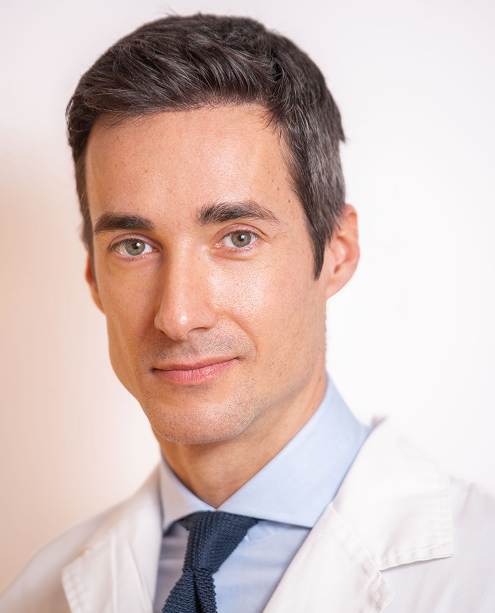
Dr. Richard Fakin
Internationally recognised plastic surgeon

Dr. Richard Fakin is a Plastic, Reconstructive and Aesthetic Surgeon with extensive experience in gender-affirming procedures. He specialises in breast surgery, facial surgery and advanced body contouring procedures. His practice combines technical precision, aesthetic sensitivity and a deeply personalised approach to every procedure.

At his clinics in Madrid and Zurich, Dr. Fakin leads a highly professional and committed team of specialists who share the same philosophy: to provide medically rigorous care while maintaining a warm, compassionate approach. Each patient receives personalised support, from the first consultation through to postoperative follow-up.
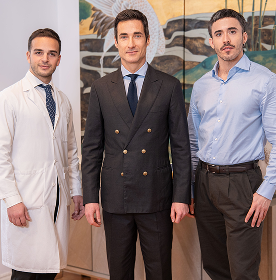
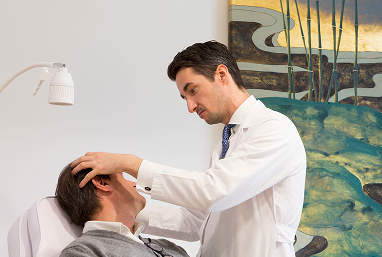
Beyond surgical technique, the commitment of Dr. Fakin and his team is reflected in transparent, honest and personalised care, where each patient is treated with dedication and professionalism at every stage of the process.
Our facilities
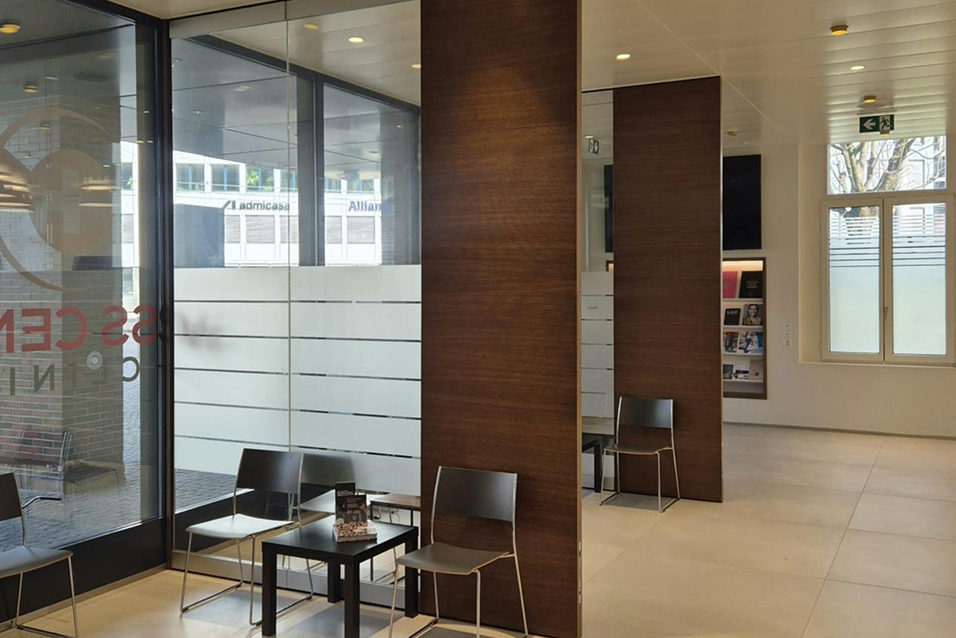
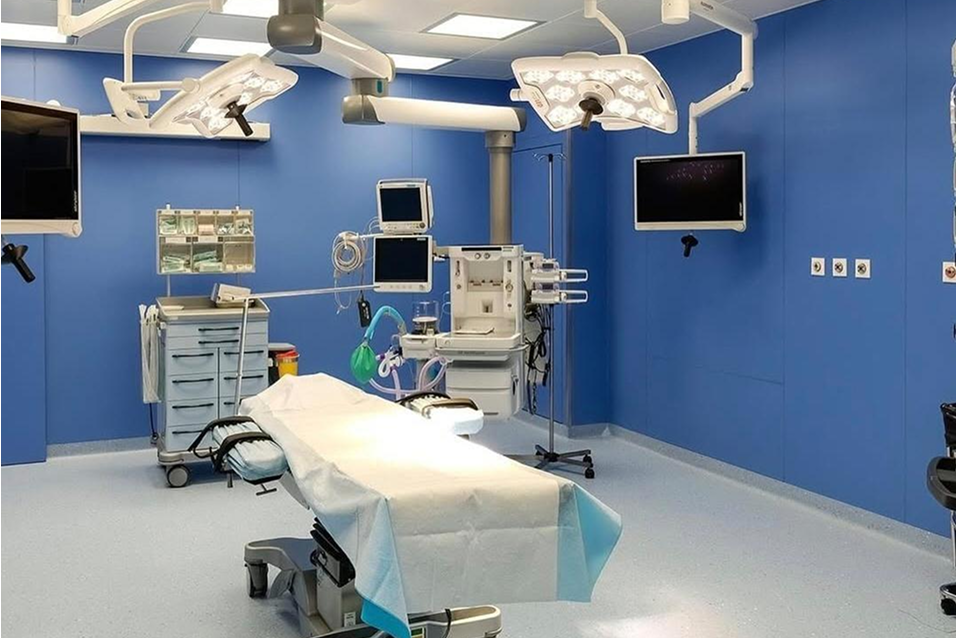
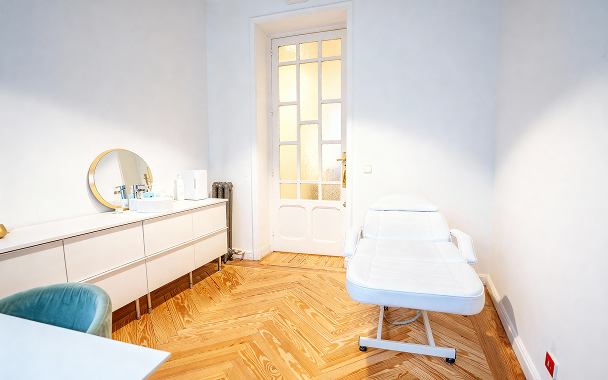
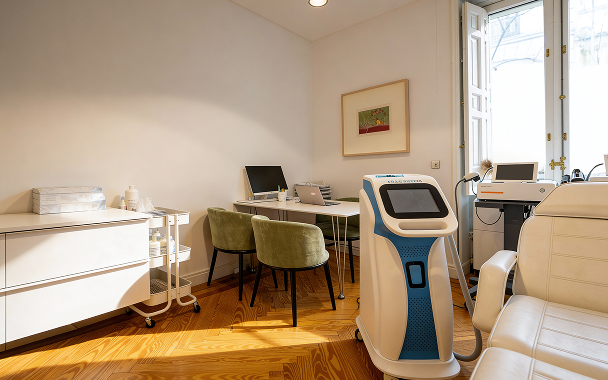
Madrid
-
C. de Velázquez, 109, 28006 Madrid, Spain
-
madrid@drrichardfakin.com
-
+34 679 85 86 39
-
C. de Velázquez, 109, 28006 Madrid, Spain
-
madrid@drrichardfakin.com
-
+34 679 85 86 39
Zurich
-
Giesshübelstrasse 45, 8045 Zurich
-
zurich@drrichardfakin.com
-
+41 78 206 44 88
-
Giesshübelstrasse 45, 8045 Zurich
-
zurich@drrichardfakin.com
-
+41 78 206 44 88
Book your free consultation