Body feminisation is a set of surgical techniques designed to reshape the figure so that it reflects the proportions typically associated with the female body. For many people, particularly trans women, taking this step marks a turning point: not only in how they look, but in how they feel every day. If you’re wondering what body feminisation involves, which areas it covers and what results you can expect, in this article you’ll find clear, honest answers without unnecessary technical jargon.
The male and female bodies have structural differences that go beyond the genitals. Fat distribution, shoulder width, waist definition and the volume of the buttocks largely determine whether a figure is perceived as feminine or not. Body feminisation works precisely on these areas to harmonise the contours with each person’s identity.
Why the male and female bodies are structurally different
The differences between the two body shapes are mainly due to hormonal and skeletal factors. During development, oestrogen promotes the accumulation of fat in the hips, thighs and buttocks, whilst androgens tend to distribute it around the abdomen and torso. Furthermore, the male skeletal structure typically features broader shoulders, a less defined waist and narrower hips.
When a transgender person begins hormone therapy, some of these physical changes may occur over time. However, hormone therapy has its limits: it does not affect the existing bone structure, nor does it guarantee the desired volume in areas such as the breasts or buttocks. This is where surgery can significantly complement the process.
Understanding these differences is key to enabling the surgeon to devise a personalised plan that takes into account the patient’s initial anatomy, their individual goals, and the most appropriate techniques to achieve a harmonious and natural result.
What changes can physical feminisation achieve that hormones cannot?
Hormone therapy can cause significant changes in the distribution of body fat and in certain physical characteristics. However, there are anatomical features that cannot be completely altered by hormone therapy.
The body feminisation procedures allows for adjustments to key features of the figure, such as defining the waist, the volume of the hips, the projection of the buttocks, or the size and shape of the breasts. Furthermore, procedures such as the liposuction or fat transfer allow body volume to be redistributed strategically to create proportions that are closer to those typically associated with women. For this reason, many patients view body feminisation as a complement to hormone therapy as part of their gender affirmation process.
What procedures are involved in body feminisation?
Body feminisation is not a single operation, but a series of procedures that can be carried out either in combination or in separate stages, depending on each individual’s needs. The main procedures are described below.
Breast augmentation
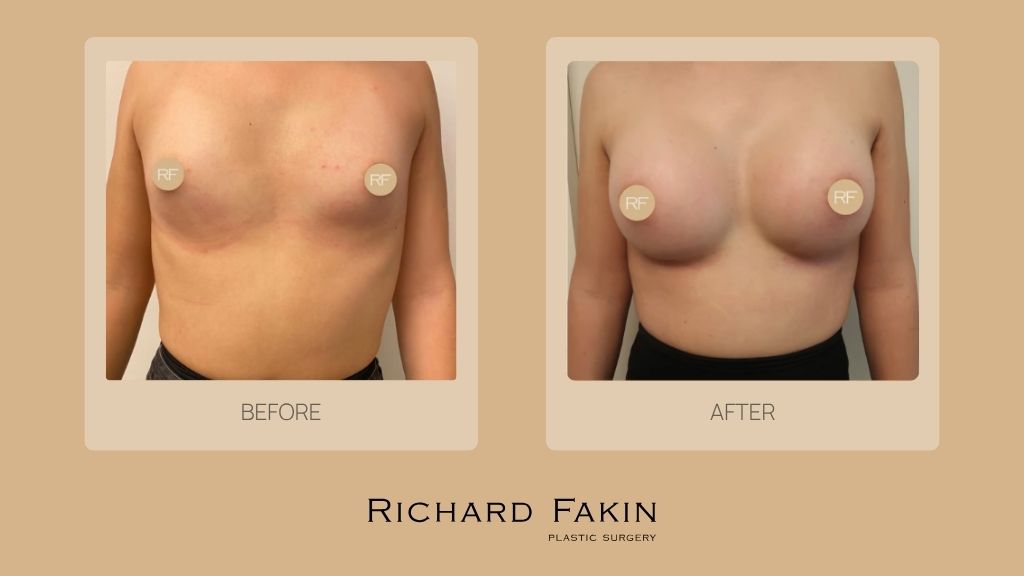
In transgender women, the breast enlargement It is one of the most common procedures in female body contouring. It allows for the creation or enhancement of breast volume using silicone implants or, in selected cases, through fat transfer using the patient’s own fat.
The choice of technique depends on the patient’s previous breast development, the amount of tissue available, the anatomy of the chest and the patient’s individual goals. The aim is to achieve a feminine bust that is proportionate and in harmony with the rest of the figure.
Liposuction and feminising liposculpture
In transgender women, feminising liposuction helps to reduce fat in areas where it tends to accumulate in a more masculine way, such as the abdomen, flanks, upper back or lower back. Liposculpture goes one step further: it not only removes localised fat, but also helps to define the waist and smooth the transition between the torso, hips and buttocks. The aim is to create a more feminine silhouette, with a more defined waist and a more harmonious body contour.
Fat transfer to the hips and buttocks
Fat transfer, also known as lipofilling, involves using fat extracted via liposuction to add volume to key areas of the body for feminisation, such as the hips and buttocks.
In transgender women, this procedure can help create softer curves and a figure that more closely resembles a woman’s silhouette, particularly when the aim is to improve the ratio between the waist, hips and buttocks using the patient’s own tissue.
Buttock augmentation
Buttock augmentation can form part of body feminisation when the aim is to achieve greater projection, volume or roundness in the lower back area. It can be performed using the patient’s own fat, implants or a combination of both techniques, depending on the patient’s anatomy and the desired result. This procedure helps to improve the waist-to-hip ratio, contributing to a more curvaceous and feminine figure.
Abdominoplasty
The abdominoplasty It may be recommended when there is excess skin or abdominal laxity that cannot be corrected by liposuction alone. In the context of body contouring, it helps to improve the shape of the abdomen, better define the waist and harmonise the transition between the torso and the pelvic area. It is particularly useful for patients who have experienced significant weight changes or who have loose skin in the abdominal area.
Thigh and arm lift
The thigh lift o arm lift This may be necessary where there is sagging or excess skin on the limbs. In a body feminisation process, these techniques help to achieve a firmer, smoother and more proportionate contour. It is not just a matter of reducing volume, but of improving the body’s overall harmony and adapting the silhouette to each patient’s feminisation goals.
How to plan a body feminisation process
One of the keys to success in body feminisation is personalised planning. There is no standard protocol that works for everyone, because every body is different and everyone has different goals. The process always begins with a detailed consultation during which the surgeon assesses the patient’s anatomy, listens to their expectations and proposes a realistic plan of action.
At the clinic of Dr. Richard Fakin, with clinics in Madrid and Zurich, the initial consultation is the starting point for designing a personalised treatment plan. Dr Richard Fakin, a Swiss-Italian plastic surgeon with extensive experience in plastic, reconstructive and cosmetic surgery, combines a technically precise approach with a keen understanding of each patient’s needs.
In some cases, it is possible to combine several procedures into a single operation, which reduces the number of recovery periods and helps to achieve more consistent results. In others, it is preferable to carry out the procedures in stages to ensure safety and allow the body to recover fully between one operation and the next.
The planning process also takes into account factors such as general health, previous hormone treatments, the patient’s expectations and the time available for recovery. All of this forms part of a comprehensive assessment that places the individual at the heart of the process.
Recovery and aftercare following body feminisation
Recovery following body feminisation surgery varies depending on the procedures performed. This table summarises the most common aspects of the post-operative period:
| Recovery phase | What the patient can expect | Recommended care |
|---|---|---|
| The first few days | Swelling, moderate discomfort and the need for relative rest. | Take the prescribed medication, avoid strenuous activity and attend your initial check-ups. |
| First 2 weeks | Gradual reduction in inflammation and improved mobility. | Wear compression garments if recommended and care for your scars in accordance with medical advice. |
| Between 2 and 4 weeks | Many patients are able to gradually resume their daily activities. | Avoid strenuous exercise and follow the guidelines on physical activity. |
| Between 3 and 6 months | The tissues are settling in and the results are becoming more clearly visible. | Maintain a stable weight and attend your post-operative check-ups. |
| Final result | The silhouette appears more balanced and natural. | Continue with your healthy habits and consult the medical team if you have any questions. |
Can body feminisation be combined with other procedures?
Body feminisation is often part of a broader process of gender affirmation. Whilst some patients undergo only body procedures, others choose to combine these with other surgeries to achieve a more complete and harmonious transition. Among the procedures most frequently performed alongside body feminisation are:
The decision to combine several procedures depends on each patient’s individual goals, their anatomy and the personalised surgical plan.
Physical feminisation and emotional well-being
The emotional aspect of body feminisation is just as important as the surgical technique. For many trans women, seeing their body align with their gender identity brings profound relief and a significant improvement in their quality of life. The sense of coherence between how one feels inside and what is reflected in the mirror has a direct impact on self-esteem, personal relationships and general well-being.
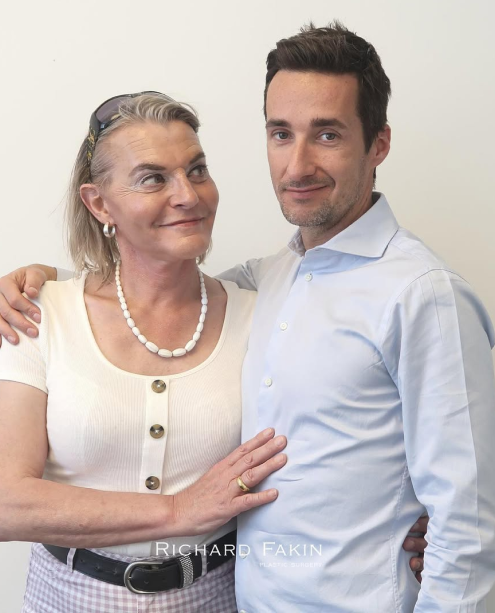
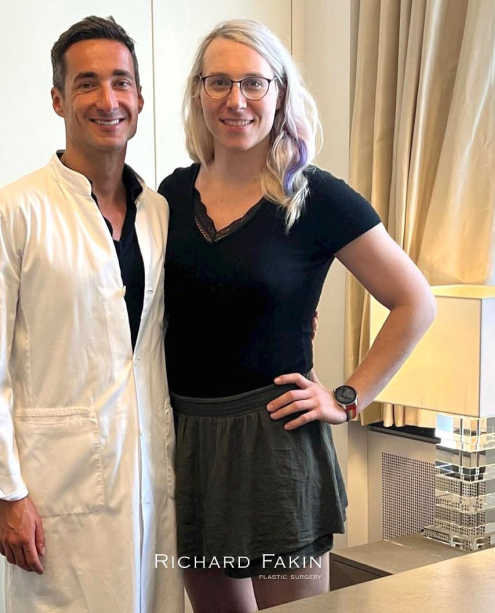
At Dr Richard Fakin’s clinic, this emotional support translates into a warm and respectful approach from the very first consultation right through to the post-operative follow-up. The patient testimonials reflect not only the aesthetic results achieved, but also the change that seeing themselves as they really are has brought about in their lives.
Body feminisation is not aimed at conforming to a specific beauty standard, but rather at helping each person to feel comfortable and accepted in their own body. That is why the starting point is always to listen to and respect each patient’s wishes.
Frequently asked questions about body feminisation
Is it necessary to undergo hormone treatment before undergoing body feminisation?
Can several body feminisation procedures be combined into a single operation?
Are the results of body feminisation permanent?
Is there an age limit for body feminisation surgery?
How long does recovery take after body feminisation?
What procedures are involved in body feminisation?
Gender-affirming surgery: a path towards alignment between body and identity
Body feminisation is much more than just a series of cosmetic procedures. It is a tool that enables many trans women, as well as others seeking a more feminine figure, to shape a body that reflects who they are. Throughout this article, we have seen that the procedures available—from breast augmentation to fat transfer, including liposuction, tummy tucks and shoulder reduction—can be combined in a personalised way to achieve harmonious, safe and natural results.
The key is to put yourself in the hands of a specialist with genuine experience in this field, who combines technical expertise with sensitivity to each individual’s needs. If you are considering taking this step or would like more information about a specific procedure, we recommend booking a personalised consultation with Dr Richard Fakin, where you can have your questions answered and design a plan tailored to your anatomy and your goals.