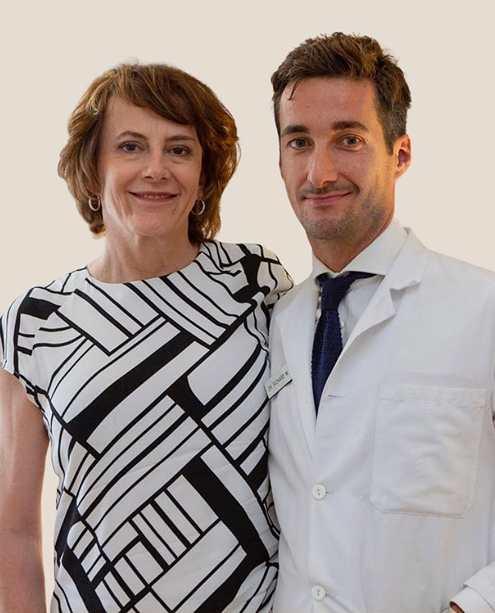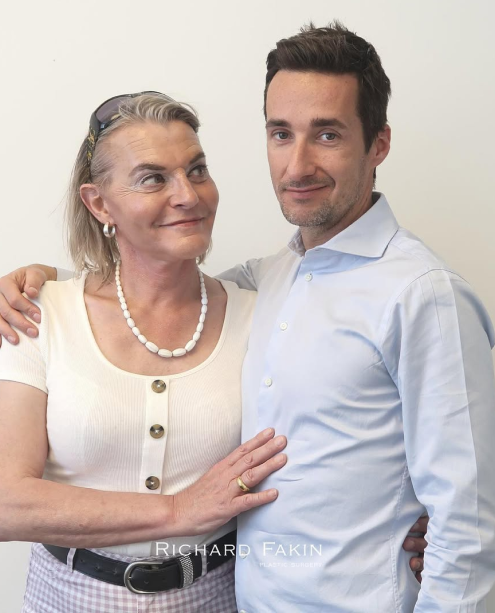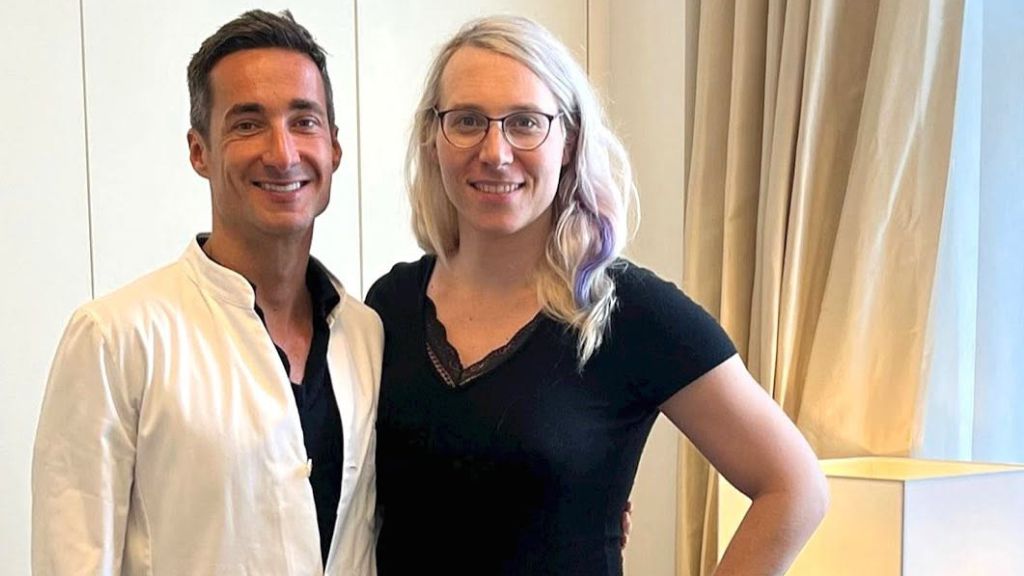
Gender-affirming surgery remains a topic surrounded by uncertainty, preconceptions and a great deal of incomplete information. For some people, it can form part of a very important process of aligning their body with their identity. For others, it is not necessary or does not form part of their personal journey.
That is why, when we talk about gender-affirming surgery, it is important to do so from a medical, realistic and respectful perspective. There is no single way to go through a transition, no single surgical procedure, and no single possible outcome. Every person has a different story, different expectations, a different anatomy and different needs. In this article, we dispel some of the most common myths about gender-affirming surgery and explain what factors you should consider before making a decision.
What is gender-affirming surgery?
Gender-affirming surgery encompasses a range of surgical procedures that can help to alter certain physical characteristics so that they are more in line with each patient’s gender identity. It is not a single procedure, but rather a series of operations that may involve different areas of the body: the face, chest, torso, body shape or genitals.
Among the most common procedures are the Vaginoplasty, the mastectomy, the body feminisation procedures, the breast augmentation in trans women or the facial masculinisation, amongst others.
The key lies in understanding that each procedure must be planned on an individual basis, taking into account not only the physical outcome, but also safety, recovery, expectations and medical support.
A decision that goes beyond surgery
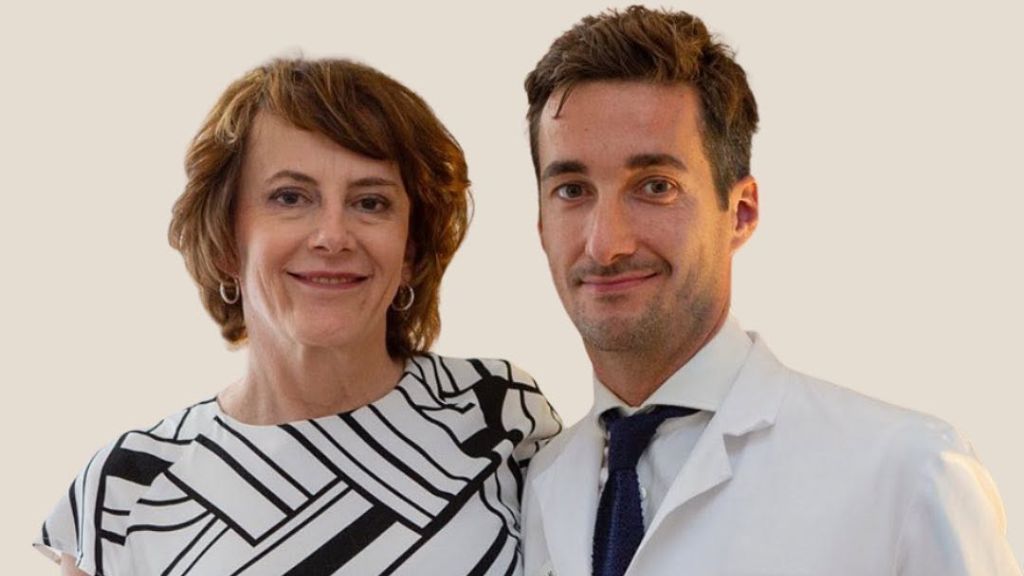
“My transition has given me self-confidence, not only because my body is finally in line with my deepest feelings, but also because I finally feel that my gender expression is authentic.”.
Lynn Bertholet
Myth 1: All trans people need to have surgery
One of the most common myths is the belief that all trans people need to have surgery. This is not the case.
Gender transition is a deeply personal process. Some people wish to undergo one or more surgical procedures; others prefer non-surgical treatments; and others do not need to alter their bodies in order to fully live out their identity. Gender-affirming surgery should not be seen as an obligation, but as a medical option for those who feel that certain bodily changes can improve their wellbeing, confidence and quality of life.
That is why the first step is not to decide “which operation to have”, but to understand what each patient really needs, what their expectations are, and which options are suitable for them.
Myth 2: Gender-affirming surgery is a single operation
Another common misconception is to think that gender-affirming surgery is a single procedure. In reality, it can involve a wide variety of different surgical procedures.
Some people seek genital surgery, such as vaginoplasty. Others wish to alter their breasts or chest through a mastectomy or breast augmentation. There are also patients who focus on the face, through facial feminisation or masculinisation procedures, or on the body, using body contouring techniques.
| Area | Standard procedures |
|---|---|
| Face | Facial feminisation, facial masculinisation |
| Chest / thorax | Mastectomy, breast augmentation |
| Body | Body feminisation, body contouring |
| Genitals | Vaginoplasty |
Every procedure has different objectives, operating times, recovery periods and aftercare requirements. It is therefore essential to undergo a personalised assessment before making any decision.
Myth 3: the results are always artificial
Many people fear that the results of gender-affirming surgery will look unnatural or too obvious. However, the aim of good surgical planning is not to transform the body in a standardised way, but to achieve a result that is harmonious, proportionate and consistent with each patient.
A natural-looking result depends on many factors: the technique used, the surgeon’s experience, the patient’s initial anatomy, the quality of the tissue, the type of surgery and the patient’s expectations going into the procedure. In gender-affirming surgery, it is not simply a matter of “feminising” or “masculinising” a specific area. It is about analysing the whole picture, respecting the person’s identity and striving for a result that feels right for their body.
That is why a preliminary consultation is so important. It is the time to discuss objectives, address any concerns, review options and understand what results can realistically be expected.
Real-life experience: understanding the process beyond the surgery
The process doesn’t begin in the operating theatre. It begins much earlier: with doubts, decisions, realistic expectations and a search for reliable information. Hearing about the experience of a patient who has already undergone vaginoplasty can provide a perspective that goes beyond the technical aspects: what the preparation is like, how the medical support feels and how each stage of the process unfolds.
Testimonials from patients such as Alexia help us to understand that every decision must be taken calmly, with professional judgement and on the basis of clear information. It is not just a matter of knowing the surgical technique, but of understanding what the whole process entails: before, during and after the operation.
You can also check out some others Testimonials from Dr Richard Fakin’s patients to find out about real-life experiences relating to different procedures.
Myth 4: It’s an impulsive decision
Gender-affirming surgery is not usually a quick or spur-of-the-moment decision. In most cases, it is the result of a long process of reflection, seeking information and personal assessment. Life’s most important decisions should not be made with doubts, but with information and confidence. Every transition process is unique. For some people, receiving psychological support or a prior diagnosis forms part of the journey. For others, informed consent and a proper medical assessment are key elements.
What matters is not that everyone follows the same path, but that each patient is able to make the right decision for themselves.
Making the right choice means doing your research, comparing options and surrounding yourself with professionals who inspire genuine confidence. Not all healthcare systems work in the same way, and understanding those differences can completely transform the patient experience.

Every gender affirmation process must be approached with clear information, medical support and a personalised assessment.
Myth 5: Recovery is the same in all cases
Every surgical procedure has a different recovery process. A mastectomy is not the same as a vaginoplasty, facial surgery or body contouring surgery. Recovery depends on the type of procedure, the duration of the surgery, whether several techniques are combined, the patient’s general state of health and how the post-operative period progresses.
For example, the aftercare required for thoracic surgery may be very different from that for genital surgery. Facial surgery may require greater control of visible swelling. And surgery on other parts of the body may involve the use of compression garments or physical restrictions for several weeks.
That is why, before undergoing surgery, it is essential to fully understand:
- how long the recovery might take;
- what care will be required;
- when normal activities can resume;
- what symptoms may occur;
- what medical follow-up will be required;
- and what results can be expected at each stage.
A successful operation does not end when you leave the operating theatre. Post-operative follow-up is an essential part of the process.
Myth 6: Only the surgical technique matters
Surgical technique is very important, but it is not the only factor that determines the experience or the outcome.
In gender-affirming surgery, listening, planning, safety, communication and support are also essential. Patients need to understand what options are available, what limitations each procedure may have, and which approach is most suitable for them.
A good medical approach should include a thorough assessment, a clear explanation of the surgery, an honest discussion about expectations and close monitoring during recovery. In procedures of this kind, the relationship of trust between patient and surgeon is particularly important. It is not just about performing the operation, but about supporting a deeply personal decision.
The importance of a personalised assessment
The Dr. Richard Fakin He is a specialist in plastic, reconstructive and cosmetic surgery, with international experience in gender-affirming surgery. At his clinics in Madrid and Zurich, he carries out an individual assessment of each case to determine the most appropriate approach based on each patient’s anatomy, goals and expectations.
This personalised approach allows each operation to be planned with greater precision and the treatment to be tailored to the individual’s specific needs. In some cases, the focus may be on the face; in others, on the breasts, the chest, the body shape or the genital area.
The important thing is that every patient is able to make decisions based on clear information, medical advice and with the support of a specialist team.
Frequently asked questions about gender-affirming surgery
What procedures are involved in gender-affirming surgery?
Do all trans people need surgery?
How long does recovery take after gender-affirming surgery?
Can several gender-affirming surgical procedures be combined?
Are the results of gender-affirming surgery permanent?
Where does Dr Richard Fakin see patients?
Gender-affirming surgery should not be understood through the lens of myths, generalisations or preconceived ideas. Everyone has their own journey, different needs and a unique way of living out their identity. That is why, before making a decision, it is important to be well-informed, to clarify any doubts and to have the support of a specialist medical team who can provide a realistic, safe and personalised assessment.
If you are considering gender-affirming surgery, take your time, make sure you are well-informed, and consult professionals who understand the medical and personal significance of this process.
Are you considering gender-affirming surgery?
Dr Richard Fakin’s team can review your case and advise you on the options best suited to you.
This article is for information purposes only and is not a substitute for professional medical advice. Always consult a qualified specialist about your specific case.