Gender-affirming surgery is much more than just a surgical procedure. For many people, it can form part of a profound process of aligning their body, their identity and the way they wish to live their lives.
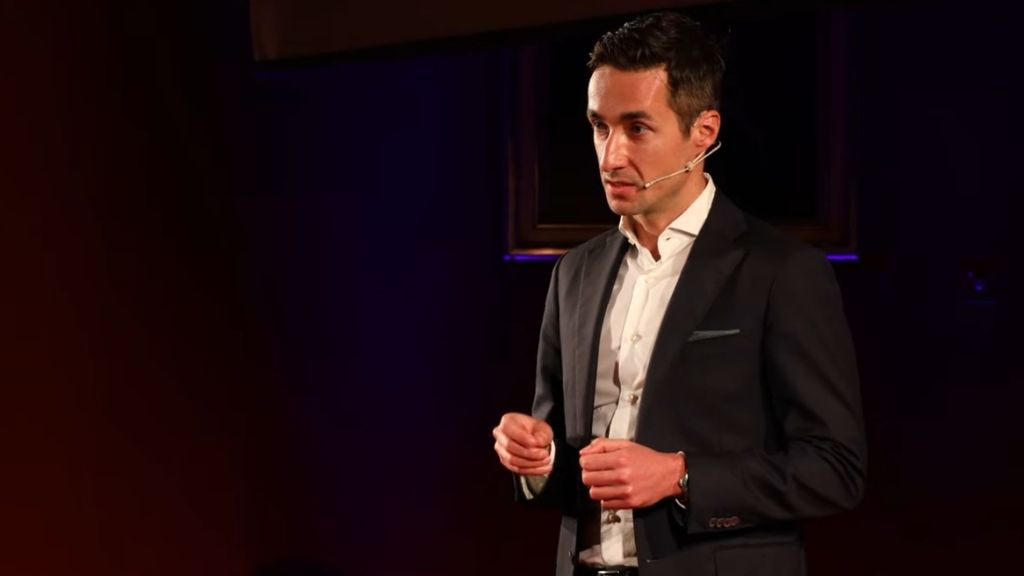
In his TEDx talk, Dr Richard Fakin addresses this issue from a medical, technical and human perspective. His main message is clear: gender-affirming surgery should not be viewed solely as a cosmetic or reconstructive procedure, but as a tool which, in selected cases, can significantly improve patients’ quality of life.
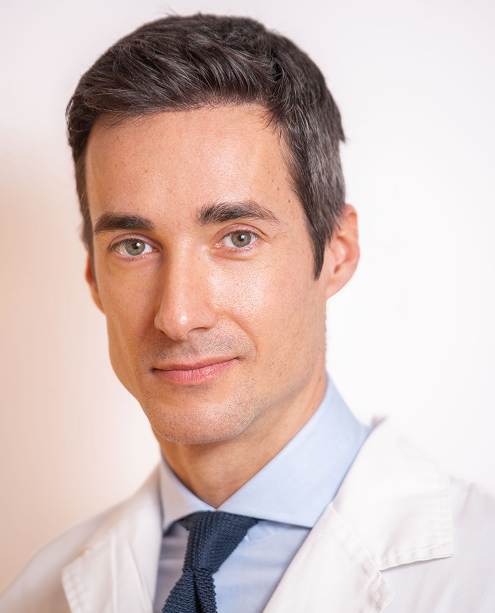
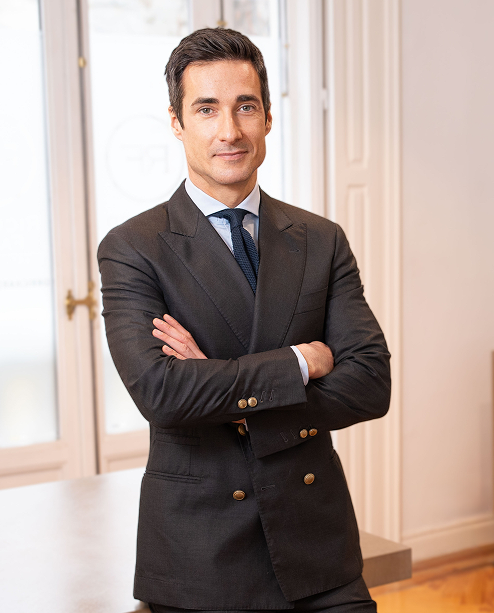
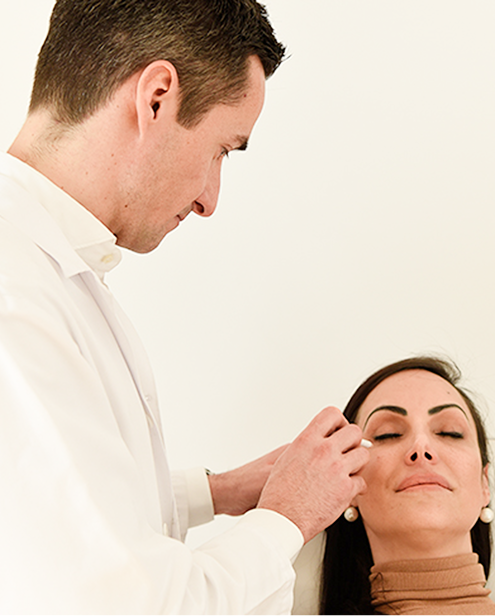
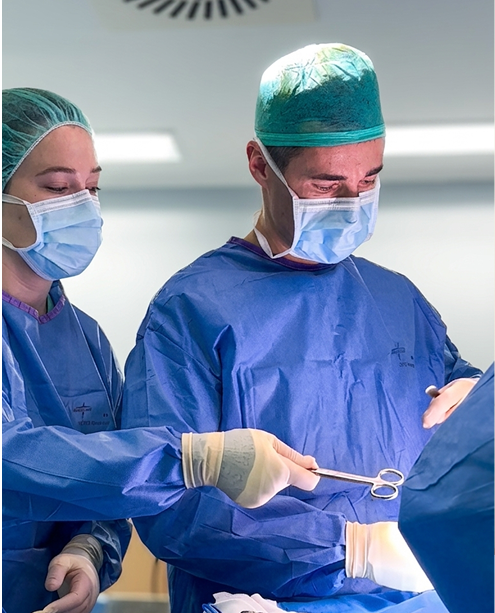
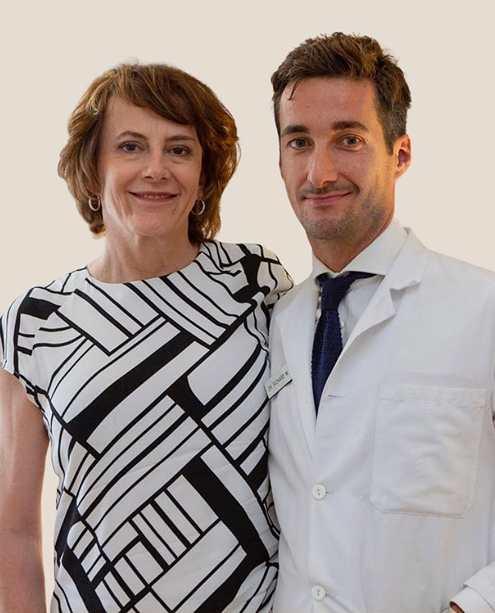
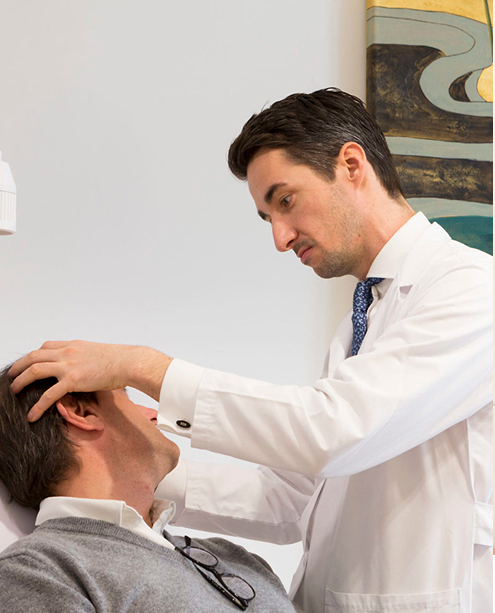
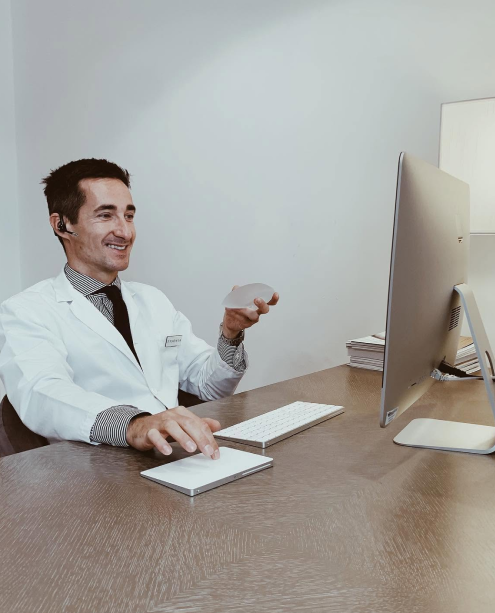
Dr Richard Fakin is a board-certified plastic surgeon in Switzerland and Spain, a member of the European Board of Plastic Surgery (EBOPRAS), and an adjunct professor of plastic surgery at the University of Zurich. He practises in Madrid and Zurich, and specialises in cosmetic surgery, reconstructive surgery and gender-affirming surgery.
A TEDx talk on gender-affirming surgery, identity and quality of life
In his TEDx talk, Dr Richard Fakin invites the audience to imagine a difficult situation: waking up in a body whose appearance does not match one’s own sense of identity. Building on this image, he explains how many trans people live for years with a profound disconnect between their anatomy and their self-perception.
This reflection serves as a starting point for discussing gender dysphoria, the distress it can cause, and the role that surgery can play when there is a valid medical indication.
The talk does not focus solely on surgical techniques. Its value lies in highlighting the human aspect of these procedures: how a well-planned operation can help a person feel more confident, more valued and more connected to their own body.
Dr Richard Fakin’s key message: it’s not just about surgery
One of the most important points raised in the talk is that the main aim is not simply to alter physical features. Dr Fakin explains that his aim as a surgeon is not merely to feminise a face, perform breast augmentation or carry out a technically sound vaginoplasty.
The main aim is to help improve the patient’s quality of life.
This idea is key to understanding gender-affirming surgery from a more comprehensive perspective. It is not simply a matter of changing a part of the body, but of helping the person to live in greater harmony between their identity and their physical appearance.
That is why procedures such as the Vaginoplasty, the facial feminization, the breast augmentation or the body feminisation procedures They should be seen as part of a personalised process, not as one-off surgical procedures.
Real-life stories that help us understand the impact of surgery
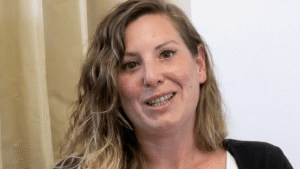
During his TEDx talk, Dr Fakin shares patients’ experiences that illustrate how surgery can have a profound impact on daily life.
He talks about patients who, following their operation and the necessary medical follow-up, were able to resume activities, relationships or personal projects that they had previously found difficult. He also explains how some patients write to him some time after their operation to share important moments from this new chapter in their lives.
These stories help us to understand that gender-affirming surgery is not measured solely in technical terms. It is also measured in terms of confidence, self-assurance, autonomy and quality of life.
Every patient’s experience is different. Some people are seeking genital surgery, such as vaginoplasty. Others require facial surgery, breast surgery or a body contouring procedure. Some combine several procedures as part of a broader treatment plan, whilst others simply wish to make a specific change. In all cases, an individualised medical assessment is essential.
Modern techniques in gender-affirming surgery
Gender-affirming surgery has evolved significantly in recent years. Surgical techniques are becoming increasingly precise, post-operative protocols have been optimised, and the medical approach is becoming increasingly personalised.
The most significant procedures include:
- The Vaginoplasty, aimed at creating a female genital anatomy from both a functional and aesthetic perspective.
- The mastectomy, a common surgical procedure for trans men or transmasculine people who wish to masculinise their chest.
- The breast augmentation, which can form part of the process of gender affirmation for trans women.
- The facial feminization, which focuses on altering facial features to achieve a more feminine and harmonious appearance.
- The facial masculinisation, designed to emphasise certain masculine facial features.
- The body feminisation procedures, which can help reshape the body’s silhouette using body-contouring techniques.
Each of these surgical procedures has different indications, recovery times and objectives. Consequently, there is no single solution that is suitable for all patients.
Surgery that is becoming increasingly personalised
One of the most important aspects of Dr Fakin’s talk is personalisation. Not all patients need the same thing, nor are they all seeking the same changes. Gender-affirming surgery must be tailored to each individual, taking into account their anatomy, their goals and their realistic expectations.
| Patient’s needs | Procedures that may be considered | Main objective |
|---|---|---|
| Aligning one’s appearance with one’s gender identity | Facial feminisation or facial masculinisation | Achieving facial features that are more consistent with gender expression |
| Altering the chest or thorax | Breast augmentation or mastectomy | Adjusting the volume, shape or contour of the breast |
| Changing your body shape | Body feminisation or body contouring | Working on proportions, waist, hips or body shape |
| Aligning the genital anatomy | Vaginoplasty | Improving one’s relationship with one’s own body from a functional and aesthetic perspective |
This personalised approach is essential. The aim is not to apply a standard model, but to determine which procedures can help each patient in a way that is realistic, safe and consistent with their identity.
Transparency, expertise and surgical safety
In his TEDx talk, Dr Fakin also highlights a significant challenge: the lack of transparency that still surrounds certain gender-affirming surgical techniques. This is particularly relevant in complex procedures such as vaginoplasty, where different technical approaches may be used depending on the surgeon, the medical specialism and the team’s experience.
For the patient, this lack of information can make it difficult to make decisions. It is therefore essential to choose a team that explains things clearly:
- what technique is proposed;
- what results can be expected;
- what risks there are;
- what the post-operative period will be like;
- what follow-up will be carried out;
- and what limitations each procedure may have.
The surgeon’s experience, specialist training and honest communication are key factors in making an informed decision.
The role of medical support before and after surgery
Gender-affirming surgery does not begin in the operating theatre. It begins much earlier, in the consultation room, when the patient shares their concerns, expectations, insecurities and goals.
The initial assessment allows us to analyse each case individually, review the patient’s medical history, explain the surgical options and draw up a realistic plan. It is also the time to discuss recovery, aftercare, timelines and possible combinations of procedures.
After surgery, follow-up care is also essential. The post-operative period is an integral part of the outcome and requires medical supervision, clear instructions and support throughout the recovery process.
That is why a positive surgical experience depends not only on the technique, but on the entire process: before, during and after the operation.
Dr Richard Fakin: plastic surgery in Madrid and Zurich
The Dr. Richard Fakin It operates in Madrid and Zurich, specialising in plastic surgery, cosmetic surgery and gender-affirming surgery.
His career combines clinical experience, international training, academic work and contributions to scientific publications. This combination enables him to approach gender-affirming surgery from a technical, reconstructive and human perspective.
At their clinics, each patient receives a personalised assessment to determine which procedures may be suitable based on their anatomy, goals and expectations. In addition to the specific treatment pages, patients can consult real testimonials to find out about the experiences of other people who have undergone surgery with Dr Fakin.
Why is this TEDx talk still relevant?
Dr Richard Fakin’s TEDx talk remains relevant because it helps to explain gender-affirming surgery from an unusual perspective: not just from a technical point of view, but in terms of the impact it can have on patients’ lives.
In a context where doubts, prejudices and misinformation still persist, initiatives of this kind help to focus attention on what really matters: quality of life, safety, personalised care and respect for each individual’s journey.
Gender-affirming surgery should not be seen as a hasty decision or a routine procedure. It must be approached with clear information, medical judgement and a specialist team capable of supporting the patient throughout the process.
Frequently asked questions about Dr Richard Fakin and gender-affirming surgery
What gender-affirming surgeries does Dr Richard Fakin perform?
Is gender-affirming surgery the same for all patients?
Why is it important to choose a surgeon who specialises in gender-affirming surgery?
Where does Dr Richard Fakin practise?
Who is Dr Richard Fakin?
Dr Richard Fakin’s TEDx talk offers a better understanding of his vision of gender-affirming surgery: a procedure that is technically complex, yet also deeply human. His approach is based on listening to the patient, assessing each case individually and planning procedures that seek not only physical change but also a real improvement in quality of life.
If you are considering gender-affirming surgery, it is important to find out all the relevant information, clarify any doubts you may have and consult a specialist with experience in this type of procedure.
Would you like to discuss your case with Dr Richard Fakin?
Book a personalised consultation in Madrid or Zurich and receive medical advice on the options best suited to you.
This article is for information purposes only and is not a substitute for professional medical advice. Always consult a qualified specialist about your specific case.