Facelifts and non-surgical treatments can improve various signs of ageing, but they do not address the same issues nor do they offer the same degree of correction. The choice depends on whether the predominant issue is sagging skin, loss of volume, expression lines, changes in skin quality, or a combination of several factors.
Where there is significant sagging of the facial and neck tissues, non-surgical procedures may have their limitations. However, if the changes are mild or mainly affect volume, texture or specific wrinkles, less invasive alternatives may be considered.
For this reason, the question should not simply be whether a facelift or a non-surgical treatment is better, but rather which structures are causing the facial changes and which procedure can actually address them. On the page at Face and neck lift by Dr Richard Fakin You can find specific information about the surgery and the various options available.
How does the face change as we age?
Facial ageing affects the skin, fat, deep tissues and the structure of the face. Not all of these changes can be corrected with the same treatment.
Over time, changes may occur, such as:
- Loss of definition of the jawline.
- Sagging of the cheek tissues.
- Increased sagging in the lower part of the face.
- Changes to the contour of the neck.
- Loss of volume in the cheekbones, temples or other areas.
- More pronounced facial lines.
- Expression lines.
- Changes in the skin’s texture, radiance and elasticity.
A person may experience several of these changes at the same time. For this reason, facial rejuvenation does not necessarily mean undergoing a single procedure or treating all areas in the same way.
Facelift: what problems it can treat
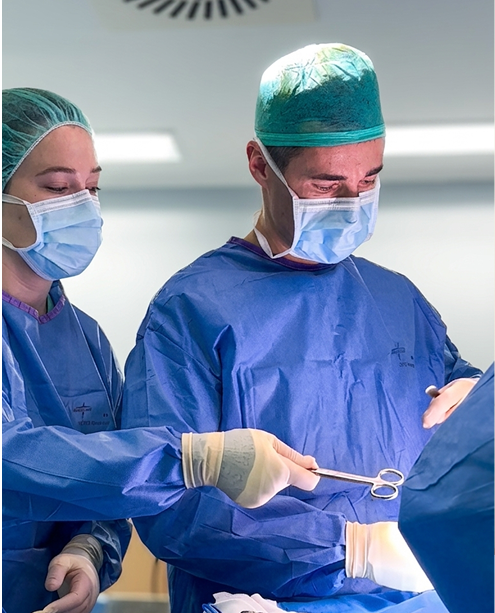
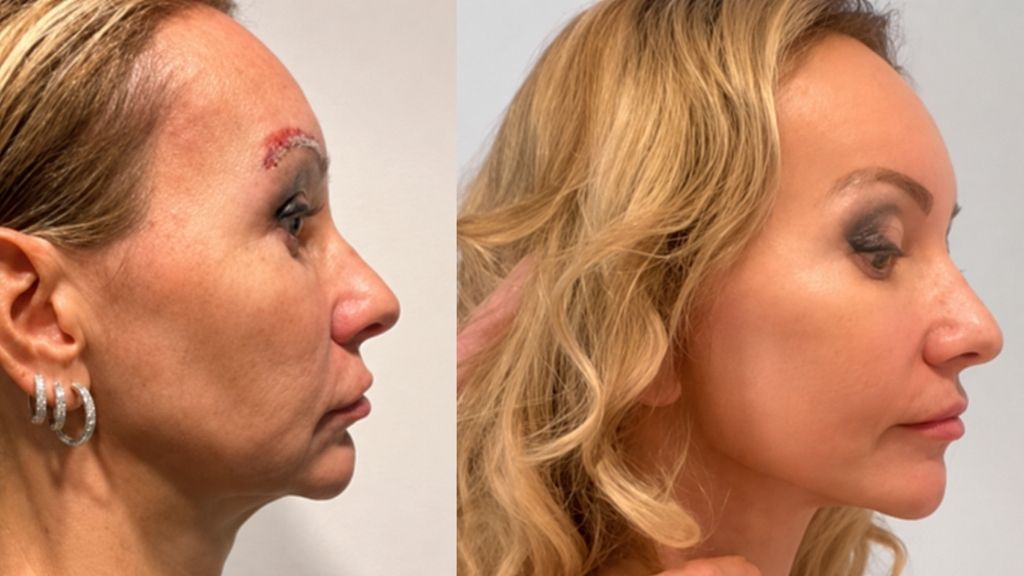
A facelift is primarily designed to reposition tissues that have sagged and to improve sagging in certain areas of the face and neck.
Unlike treatments that add volume or improve the skin’s surface, surgery allows us to work on deeper layers. The aim is to restore a more harmonious position to the tissues and maintain a natural balance between the different facial structures.
Depending on the patient’s anatomy and the areas affected, different scarring patterns and lifting techniques may be considered. The choice depends on where the sagging is most pronounced, the quality of the tissues, and the outcome that can be considered realistic for each patient.
Which areas can be improved with a facelift?
A facelift may be considered to improve various areas, including:
- Facial contour.
- Jawline.
- Sagging cheeks.
- Lower third of the face.
- Neck.
Planning must take these areas into account as a whole, as facial ageing does not usually occur in isolation in a single structure.
Non-surgical treatments: when they can be helpful
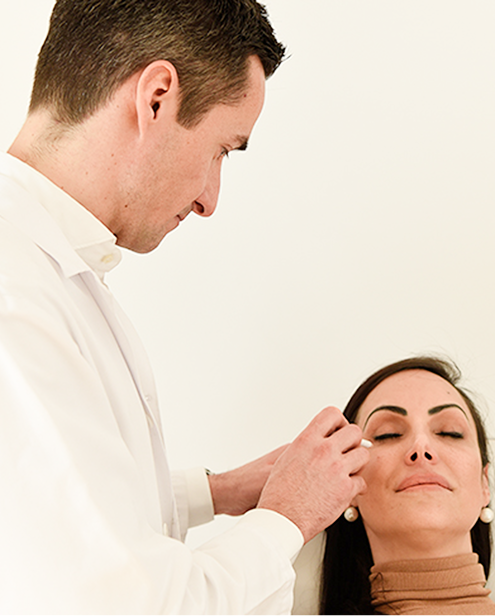
Non-surgical treatments may be suitable when the main problem is not significant tissue sagging, but rather changes in volume, wrinkles, skin quality or early signs of ageing.
Within this group, there are various options, such as dermal fillers, neuromodulators and treatments designed to improve skin quality. Each procedure has a different aim.
A treatment designed to tackle expression lines does not serve the same purpose as one designed to restore volume. Similarly, neither should automatically be regarded as equivalent to surgery aimed at repositioning tissue.
For this reason, talking about non-surgical facial rejuvenation as if it were a single treatment can lead to unrealistic expectations.
Facelifts or non-surgical treatments: key differences
The key difference is that surgery can reposition sagging tissue, whilst non-surgical options tend to address more specific issues such as volume, wrinkles or skin quality.
| Aspect | Facelift | Non-surgical treatments |
|---|---|---|
| Significant sagging | It can reposition deep tissues | More limited capacity |
| Loss of volume | It can be combined with volume-restoring techniques | It can be treated using specific techniques, depending on the individual case |
| Expression lines | It is not its main objective | There are treatments specifically designed for them |
| Skin quality | Further tests may be required | There are techniques specifically designed for the skin |
| Recovery | It requires post-operative care | Generally shorter, depending on the procedure |
| Degree of correction | Greater when there is structural atrophy of the tissues | More suitable for specific or initial changes |
When might non-surgical treatments fall short?
Non-surgical treatments may not be sufficient when there is significant sagging and the main problem is tissue prolapse.
In these situations, attempting to counteract sagging by adding more and more volume does not necessarily improve the harmony of the face. It may increase the volume in certain areas without addressing the position of the tissues that have sagged.
That is why it is important to distinguish between loss of volume and sagging. Although both problems can occur at the same time, they require different approaches.
Age should not be the only criterion either. Two people of the same age may have completely different skin quality, fat distribution and degrees of sagging.
When might a facelift not be necessary?
A facelift is not necessarily the first option when the signs of ageing are mild and the facial structure remains well-defined.
If your main concern is expression lines, minor loss of volume or specific changes in the skin, there may be less invasive alternatives.
In such cases, a consultation can help determine whether a specific procedure can address the issue without the need for surgery.
The aim is to use the appropriate procedure for the specific problem, avoiding both performing surgery when it is not indicated and prolonging non-surgical treatments when they can no longer resolve the anatomical change that is causing the patient concern.
The role of facial volume in rejuvenation
Volume loss can play a significant role in facial ageing and, in some cases, should be treated either on its own or as a complementary procedure to a facelift.
One of the techniques available is the facial lipofilling, which uses the patient’s own fat to add volume to selected areas.
This helps to highlight an important distinction: repositioning tissues and restoring volume are different objectives. In certain patients, they may be complementary, but one does not necessarily replace the other.
Can a facelift be combined with other procedures?
Yes, where there is a specific indication, procedures designed to address different problems may be combined.
For example, a person may have sagging skin in the lower third of the face and, at the same time, a loss of volume in the cheekbones or excess skin on the eyelids. In such cases, it may be helpful to assess several areas together.
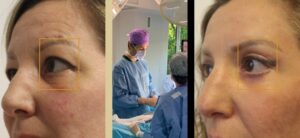
Blepharoplasty can be used to treat the eyelids, lipofilling to address specific areas of volume loss, and a facelift to correct sagging tissue. The combination of procedures depends on the patient’s anatomy, their general health and the treatment objectives.
Combining procedures does not mean carrying out more procedures than are necessary. Each technique must offer a specific benefit as part of a personalised treatment plan.
What is the recovery process like after a facelift?
Recovery from a facelift is a gradual process, and during the first few days you may experience swelling, bruising and a feeling of tightness.
The outcome depends on the technique used and the individual’s response. During the first few weeks, the appearance of the face continues to change as the swelling subsides and the tissues begin to settle.
During the post-operative period, you must follow the instructions regarding hygiene, medication, physical activity, rest and scar care.
Recovery should not be rushed simply because the discomfort has eased. Feeling better does not mean that the tissues have finished healing.
Where do the scars from a facelift appear?
The scars from a facelift are designed to blend in with the areas around the ear and the hairline, although their extent depends on the technique used.
During the first few weeks, they may be visible and show changes in colour. Like any surgical scar, they gradually heal over a period of months.
It is not appropriate to promise that a scar will be completely invisible. Its final appearance depends on the technique used, the individual’s healing process, aftercare and other personal factors.
Facelifts with Dr Richard Fakin in Madrid and Zurich
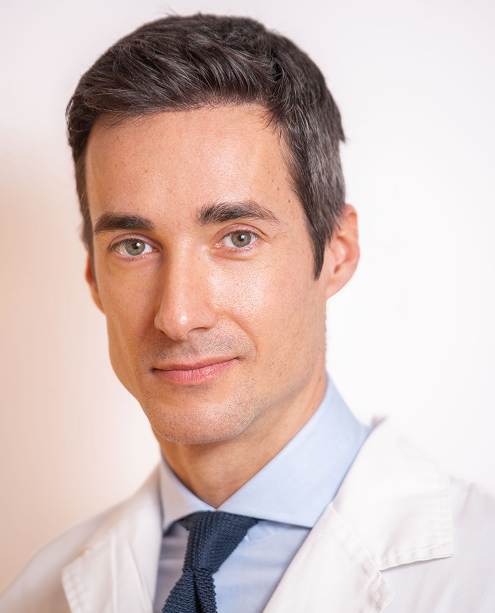
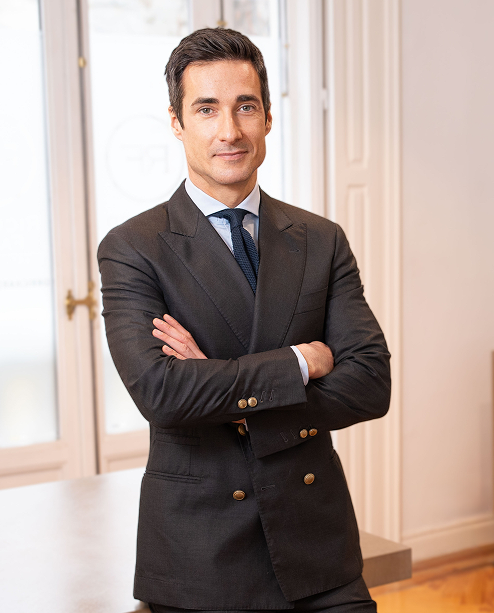
The Dr. Richard Fakin He is a plastic, reconstructive and cosmetic surgeon and practises in Madrid and Zurich.
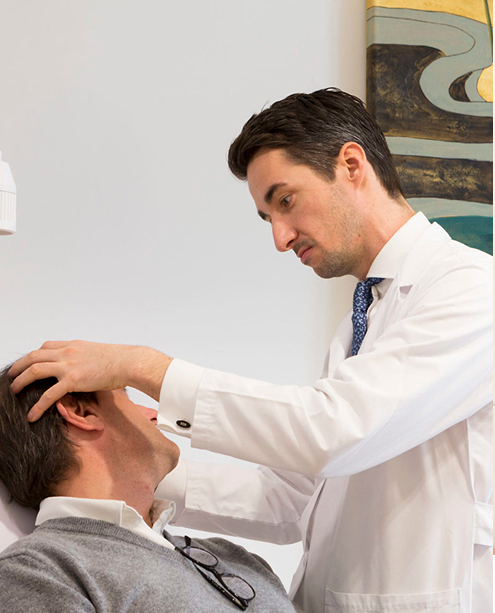
As part of a facial assessment, the anatomy, the degree of sagging, loss of volume and other age-related changes are examined to determine which procedures may be suitable in each case.
The testimonials from the clinic’s patients They can provide information about individual experiences, although they do not allow us to predict the outcome another person might achieve.
Facial rejuvenation with a personalised treatment plan
Choosing between a facelift and non-surgical treatments requires first identifying what is causing the face to look aged. Sagging, loss of volume, wrinkles and skin quality are different problems and may require different solutions.
An individual assessment makes it possible to determine whether a non-surgical procedure may be sufficient, whether it is advisable to combine several techniques, or whether a facelift is indicated.
A consultation at Dr Richard Fakin’s clinics in Madrid or Zurich allows for a comprehensive assessment of facial ageing and helps to identify the options available, based on each patient’s anatomy and goals.
This content is for information purposes only and is not a substitute for an individual medical assessment.