Lipo 360 with abdominoplasty, also known as lipoabdominoplasty, is a surgical procedure that treats both the abdomen and the waist when, following pregnancy or weight loss, the body’s contours do not regain their firmness. Many people think the problem is just fat, but there is often excess skin or a separation of the abdominal muscles as well. In these cases, combining the two techniques allows each problem to be corrected using the appropriate method.
This article explains the benefits of each technique, the different types of abdominoplasty available, what the scar looks like, how the recovery progresses and what the results might look like one month later, using a real ‘before and after’ case from the clinic. General information about the procedure can be found on the tummy tuck in Madrid.
What is a lipoabdominoplasty using Lipo 360?
This procedure combines two techniques. A tummy tuck removes excess skin from the abdomen and, where necessary, repairs the muscles. Lipo 360, or 360-degree liposuction, removes localised fat from the abdomen, flanks and lower back. Together, they improve the contour of the front, profile and back.
Differences between a tummy tuck and 360° liposuction
A tummy tuck and liposuction target different types of tissue. That is why one does not replace the other: each corrects a different problem, and combining them makes sense when both are required.
| Technique | What it’s about | What it cannot correct on its own | Scar |
|---|---|---|---|
| Abdominoplasty | Excess skin, sagging and separation of the abdominal muscles | Localised fat on the flanks and back | Horizontal and low, in the lower abdomen |
| Lipo 360 | Localised fat on the abdomen, flanks and lower back | Excess skin and muscle separation | Small incisions through which the cannula is inserted |
| Lipo 360 with tummy tuck | Skin, muscles and fat throughout the torso | It is not a weight-loss treatment | The one for a tummy tuck, plus the small incisions made during liposuction |
The separation of the rectus abdominis muscles is known as diastasis recti. It is common following one or more pregnancies and causes the abdomen to remain bulging even after the patient has returned to their pre-pregnancy weight. Liposuction does not correct this condition. To repair it, the muscles are sutured during a tummy tuck, a procedure known as plication.
Types of tummy tuck: full, mini, 360° and with 360° liposuction
Not all tummy tucks are the same. The technique chosen depends on where the excess skin is located, whether there is diastasis, and how the fat is distributed. These are the main options:
Full abdominoplasty
It removes excess skin from the entire abdomen, both above and below the navel, and allows the rectus diastasis to be repaired along its entire length. The navel is repositioned. This is the most common option following pregnancy.
Mini tummy tuck
If the excess skin is concentrated solely below the navel, a mini-tummy tuck may be considered, which involves a shorter scar and does not require repositioning of the navel. As it is a less extensive procedure, it is not recommended when there is sagging in the upper abdomen or significant diastasis.
Lipoabdominoplasty (abdominoplasty with Lipo 360)
It combines a full or mini tummy tuck with liposuction of the abdomen, flanks and lower back. This is the technique described in this article and is recommended when, in addition to excess skin or diastasis, there is localised fat that defines the waistline.
360° or circumferential abdominoplasty
The names are similar, but it is not the same as 360° liposuction. In lipoabdominoplasty, excess skin is removed only from the front of the abdomen, whilst liposuction targets fat around the entire torso. A 360° abdominoplasty, on the other hand, removes skin and tissue all the way round the torso, including the lower back. It is usually recommended when excess skin also affects the back, which can occur following significant weight loss. The scar runs all the way round the torso.
The choice of technique is always decided following an examination in the surgery.
When is lipoabdominoplasty recommended?
This combination is considered when there is excess skin or diastasis in the abdomen, as well as localised fat around the waist, flanks or back. A tummy tuck flattens the abdomen and the liposuction It defines the waist, so that the result is visible from every angle.
During the consultation, the following aspects are assessed:
- The amount of excess skin and its elasticity.
- The presence of diastasis recti or an umbilical hernia.
- The distribution of fat in the abdomen, flanks and back.
- Weight stability.
- Plans for pregnancy, as a subsequent pregnancy may affect the outcome.
- Tobacco use, which hinders healing.
- General state of health and any previous scars, such as a caesarean section scar.
In some cases, the fat removed during liposuction can be used to add volume to another area, such as in the Buttock augmentation using the patient’s own fat.
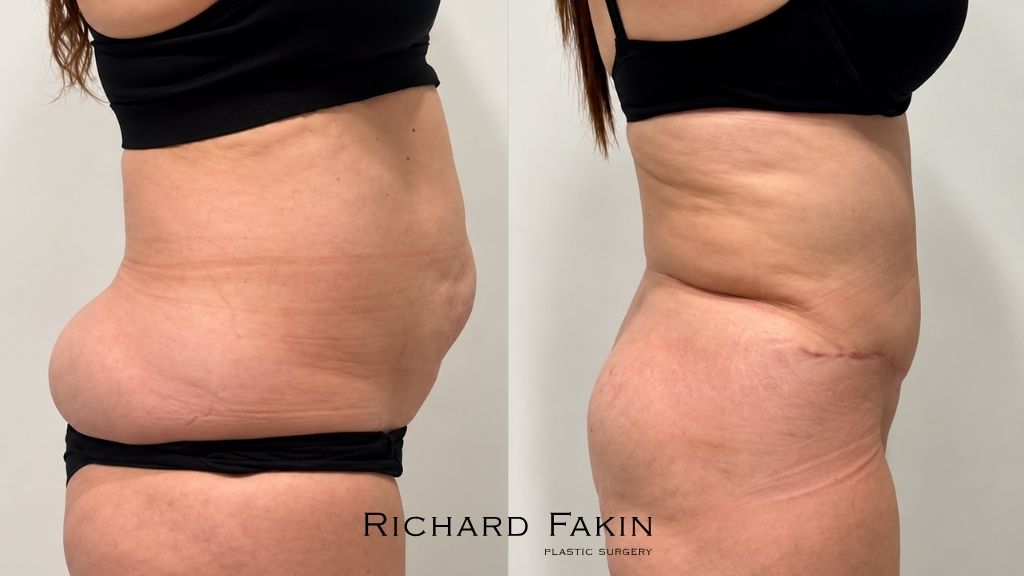
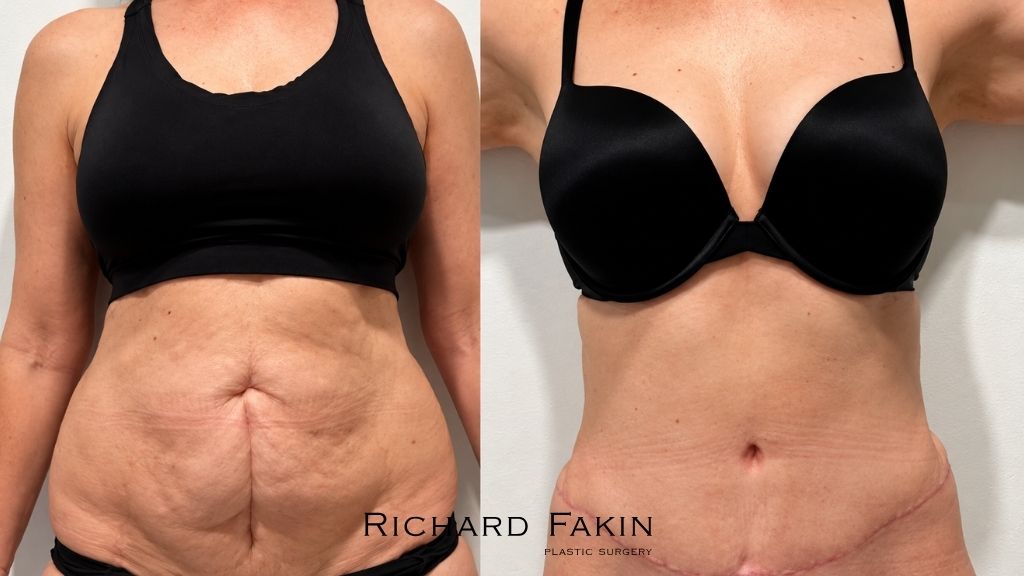
Tummy tuck with Lipo 360: before and after – a real-life case
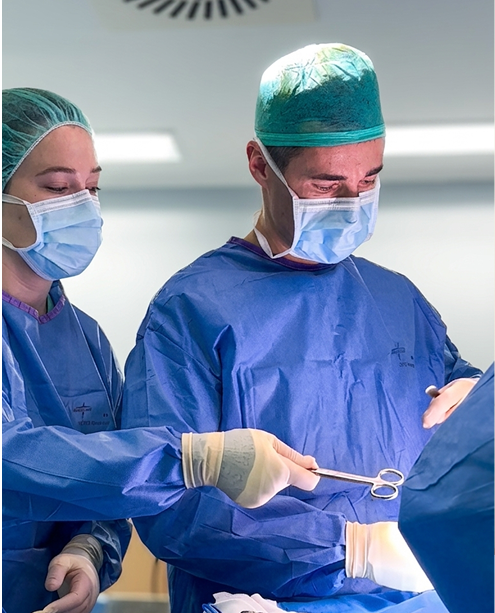
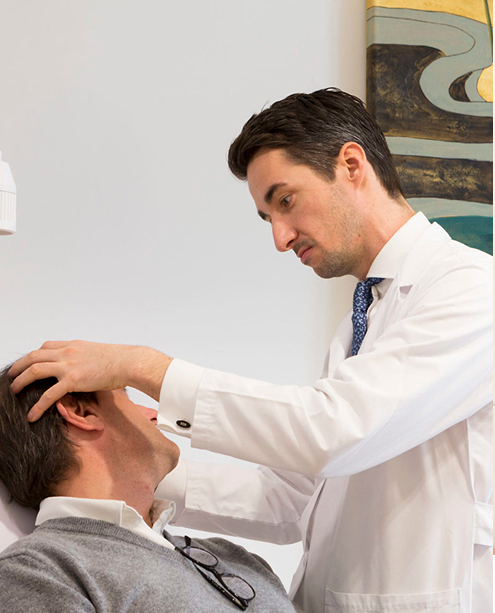
This video shows the different stages of a clinical case: Dr Richard Fakin during the operation, the consultation assessment, and the patient one month after the lipoabdominoplasty.
The images, taken from four angles, show how the waist and flanks change, as well as the abdomen.
Below you can see the full reel of the case.
Scarring from a tummy tuck with Lipo 360: what it looks like and how it heals
The main scar is from the tummy tuck: a horizontal line across the lower abdomen. Its position is planned before the operation so that it is as inconspicuous as possible and can be covered by underwear or a swimsuit. Its length depends on the amount of skin that needs to be removed: it is shorter in a mini-tummy tuck and longer in a full tummy tuck. If there is a caesarean section scar, it can often be incorporated into the new incision.
In a full abdominoplasty, a small scar is also added around the navel, as this is repositioned. The 360° liposuction procedure involves a number of small incisions in the treated areas, through which the liposuction cannula is inserted. These are just a few millimetres long and are usually situated in skin folds or areas that are not very visible.
How the scar changes over the months
The scar from a tummy tuck changes over the following months. At first, it usually appears pink and slightly raised, and over time it tends to fade and flatten, although it does not disappear. Avoiding direct sunlight on the scar, not smoking and following the aftercare instructions provided by the medical team will help it to heal as well as possible.
Recovery from a tummy tuck with Lipo 360: stages and aftercare
Recovery following a tummy tuck with Lipo 360 varies depending on the extent of the procedure, the areas treated and each patient’s individual progress. The medical team determines the specific guidelines and recovery times on a case-by-case basis.
Common aspects of surgery and recovery
| Aspect | What to bear in mind |
|---|---|
| Duration of the procedure | It depends on the extent of the tummy tuck and the areas involved in the liposuction. |
| Anaesthesia | The type of anaesthesia is determined on a case-by-case basis, depending on the planned surgery and the medical team’s assessment. |
| Registration | It depends on how the patient recovers after the operation and on the medical team’s judgement. |
| The first few days | It is common to experience swelling, tightness and discomfort, which gradually subside during recovery. |
| Back to work | This varies depending on each patient’s progress and the nature of their work, particularly if it involves physical exertion. |
| Compression girdle | It may be prescribed during the post-operative period. The duration of use and how it should be worn are determined by the medical team. |
| Physical activity | Activity is resumed gradually and in accordance with medical advice, avoiding strenuous activity during the early stages of recovery. |
| Result | The contour gradually changes as the swelling subsides, so the final result cannot be assessed during the first few weeks. |
What changes when you add Lipo 360?
When a tummy tuck is combined with Lipo 360, the medical team advises on a case-by-case basis how these timeframes are adjusted. The main differences are as follows:
- Swelling and bruising also affect the flanks and back, not just the abdomen.
- The tummy tuck compression garment covers a larger area to apply pressure to all the treated areas.
- You may feel a tightness around your entire waist during the first few weeks.
The first few days and the girdle
During the first few days, it is normal to experience tightness and swelling in the abdomen, and to walk leaning slightly forwards so as not to put strain on the sutures. The tummy tuck compression garment helps to control the swelling and allows the skin to adapt to its new shape, so it is advisable to wear it for the recommended period. Following the post-operative instructions and attending follow-up appointments are part of the treatment.
Risks associated with a tummy tuck combined with liposuction
Like any surgical procedure, lipoabdominoplasty carries risks, which are explained during the consultation before you make your decision. Among the most common are the build-up of fluid under the skin (seroma), bruising, delayed wound healing, infection, temporary loss of sensation in the lower abdomen, unevenness in the areas treated with liposuction and, less commonly, thrombosis.
Not smoking, maintaining a stable weight before surgery and following post-operative instructions reduces the risk of complications. If you experience any unexpected symptoms, such as a fever, increasing pain or redness around the wound, you should contact the medical team.
Results of lipoabdominoplasty: one month on and in the long term
One month after the procedure, the abdomen looks flatter and the waist more defined, as shown in the video clip. However, there is still some swelling, particularly in the areas treated with liposuction, and the scar is still healing.
The result becomes apparent gradually over the following months, as the swelling subsides and the tissues adapt to their new shape. This is why early before-and-after photographs serve to show the general trend, but do not represent the final result.
Maintaining a stable weight helps to preserve the results of a lipoabdominoplasty. Significant weight gain or a subsequent pregnancy can cause the skin and muscles to stretch again, which is why it is usually recommended to have the operation once you are no longer planning to have any more children.
Lipoabdominoplasty in Madrid and Zurich with Dr Richard Fakin
Lipo 360 lipoabdominoplasty is designed for those who have both excess skin on the abdomen and localised fat on the waist, flanks or back. Each technique addresses a specific aspect of the problem and, when combined, they improve the overall body contour. The decision is always made following a consultation.
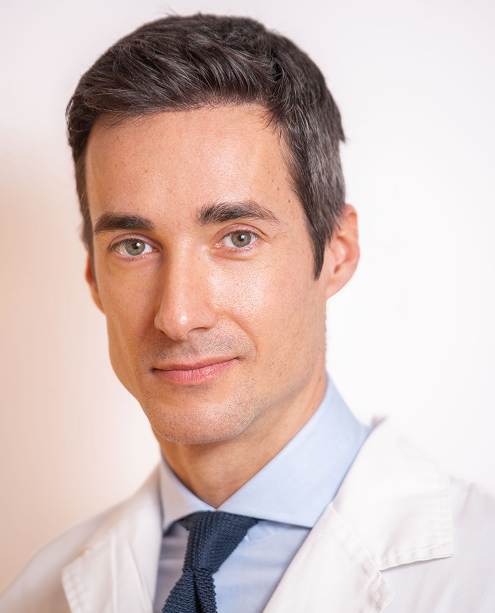
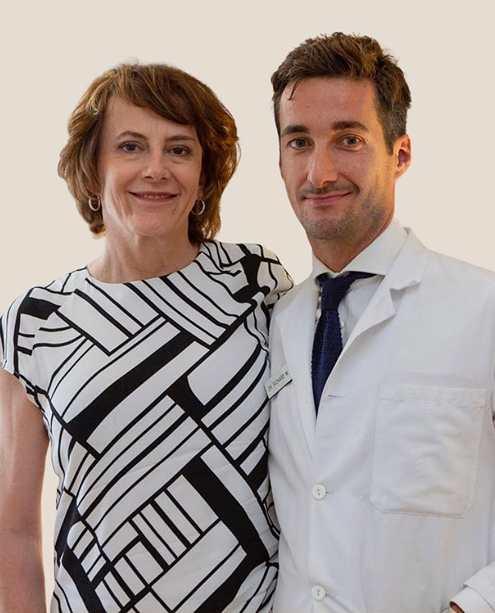
At the clinics in Madrid and Zurich, the Dr. Richard Fakin, a Swiss-Italian plastic surgeon specialising in reconstructive and cosmetic surgery, with a focus on breast, facial and body surgery, assesses each case individually and explains what can be achieved with each option.
It may also be useful to know the patient testimonials, although another person’s experience is no substitute for a medical assessment and does not allow us to predict an individual’s outcome.
Would you like to find out whether lipoabdominoplasty is the right option for you?
Book a consultation with Dr Richard Fakin in Madrid or Zurich. He will assess your abdomen, your waist and whether you have diastasis, and explain which technique is best suited to your case.
Book an appointment for an assessment