Anyone enquiring about the cost of a facelift usually gets the same answer: it depends on the individual case. The reason is that a facelift is not a single procedure, but a combination of techniques tailored to each person’s anatomy. At Dr Richard Fakin’s clinic, the face and neck lift It is drawn up on the basis of an individual assessment. This article explains what elements make up the quote and what you should ask during the initial consultation.
What is a facelift and what determines its cost? A facelift, or rhytidectomy, is a surgical procedure that repositions the skin and deep tissues of the face and, if necessary, the neck, to correct sagging. The cost depends on the areas treated, the technique used, the type of anaesthesia and any additional procedures carried out.
Why is there no standard price for a facelift?
Every facelift is tailor-made, and the quote is calculated based on that design. Two people with sagging skin may require very different procedures.
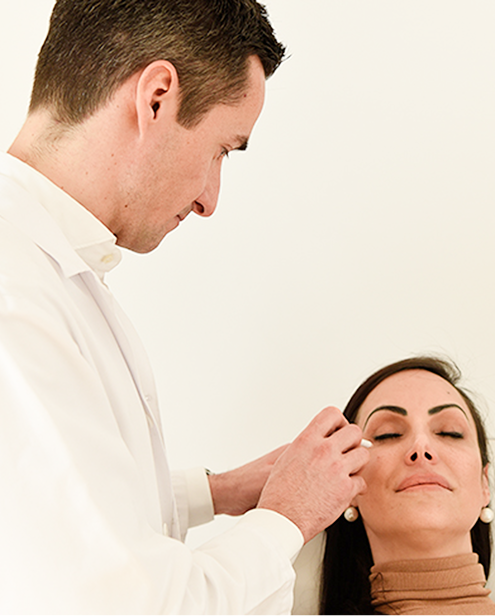
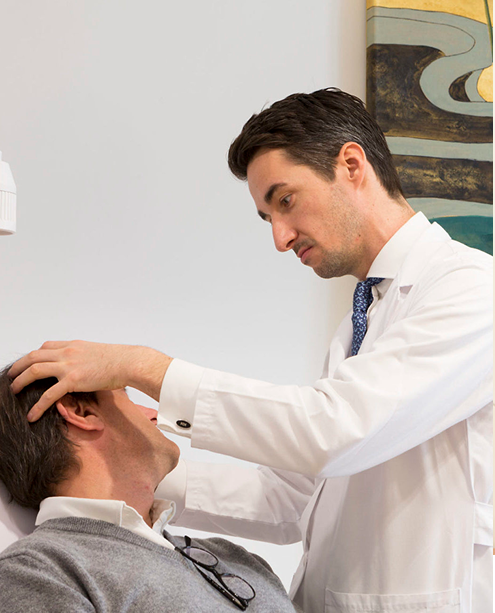
Before each procedure, Dr Fakin’s team carries out an assessment of the patient’s anatomy and bone structure. This assessment takes into account the patient’s age, skin type and individual anatomical characteristics. Based on this information, a personalised surgical plan is drawn up, and the quote reflects what is included in that plan.
What factors determine the cost of a facelift?
The cost depends on five main factors: the areas treated, the type of facelift, the anaesthesia, any additional procedures, and any other operations carried out as part of the same procedure.
The areas being treated
The procedure may focus on the face or also include the neck. When both areas are treated, the procedure is known as a cervicofacial lift. Including the neck broadens the scope of the procedure, as this area is directly linked to the jaw and the contour of the lower third of the face.
The type of facelift
During the consultation, we assess which type of facelift is most suitable: an open facelift with minimal scarring, a mini facelift or a more extensive facelift. A mini facelift treats more limited areas. A more extensive facelift addresses more widespread changes to the face and neck.
In the technique described by the clinic, the surgeon works beneath the SMAS (superficial musculoaponeurotic system), a layer of tissue that supports the skin and facial muscles. This allows the skin and facial muscles to be repositioned to redefine the contours, rather than simply tightening the skin. This approach is also known as a deep-plane facelift.
In this video, Dr Richard Fakin explains what a deep-plane facelift involves. He demonstrates the difference between treating only the surface of the skin and repositioning the deep facial tissues. This difference helps to explain why it is advisable to understand the planned technique before comparing quotes.
Anaesthesia
A facelift is carried out under analgosedation or under general anaesthesia. Analgosedation combines pain-relieving medication with sedation that relaxes the patient without putting them completely to sleep. General anaesthesia keeps the patient asleep throughout the operation. The type of anaesthesia is decided based on the extent of the surgical procedure and is included in the quote.
Supplementary procedures
Supportive techniques can be incorporated into the same operation. One such technique is liposuction of the lower face and submandibular region (the area beneath the jaw). Others include fat grafting, which involves transplanting the patient’s own fat to restore volume, and chemical peels, which renew the surface layers of the skin.
Combined surgeries
A facelift can be combined with other procedures to achieve a more balanced result. The clinic offers, amongst others, the blepharoplasty (eyelid surgery), eyebrow lifts, lip lifts, rhinoplasty and chin augmentation using implants. Any additional procedures are included in the same quote and are only recommended where the assessment warrants it.
| Plan component | Possible options | How it affects the budget |
|---|---|---|
| Areas treated | Face, or face and neck (cervicofacial lift) | Including the neck broadens the scope of the procedure |
| Type of facelift | Mini facelift, open facelift with minimal scarring, or more extensive facelift | Change the scope of the surgery |
| Anaesthesia | Analgesia and sedation or general anaesthesia | The choice depends on the scope of the plan |
| Supplementary procedures | Submandibular liposuction, fat injection, chemical peel | They are added to the plan when indicated |
| Combined surgeries | Blepharoplasty, eyebrow lift, lip lift, rhinoplasty, chin augmentation | Each additional procedure forms part of the total budget |
How long do the operation and recovery take?
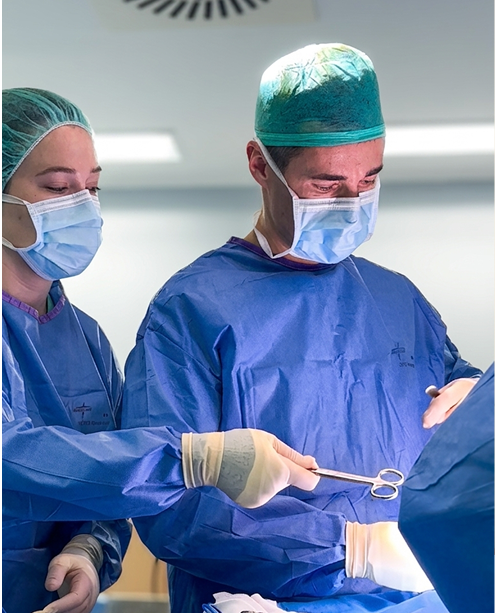
The operation lasts between 3 and 5 hours; patients are discharged on the same day and can return to work between 7 and 10 days later. Knowing these timeframes helps you plan for the time the procedure will take, as well as your budget.
| Phase | What’s going on? |
|---|---|
| Day of the operation | Surgery lasting 3 to 5 hours, with discharge from the clinic on the same day |
| The first few days | Swelling and bruising (build-up of blood under the skin) may occur |
| Between 7 and 10 days | Back to work and social life |
| 3 weeks | Full recovery |
| Between 2 and 3 months | The result becomes apparent gradually |
The incisions are made around the ear and along the hairline, in natural creases that help to conceal them.
How does a facelift differ from non-surgical treatments?
A facelift repositions the deep tissues of the face and neck and corrects sagging more permanently than minimally invasive treatments. For this reason, their costs are not comparable: they do not address the same problem. The article on facelifts or non-surgical treatments explains when it is advisable to reposition tissue, restore volume or treat the skin.
Facelifts in Madrid and Zurich: how the consultation is organised
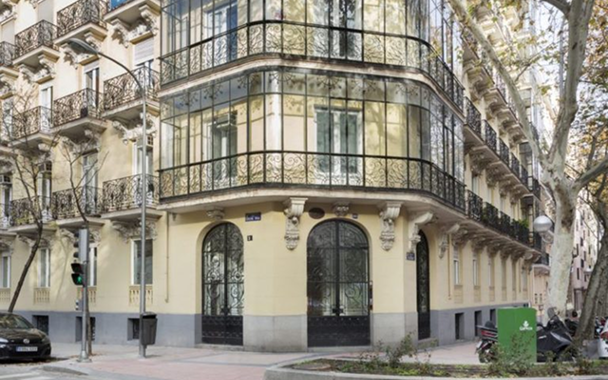
Dr Fakin sees patients in Madrid and Zurich, applying the same assessment criteria in both cities. During the initial consultation, the case is assessed, the surgical plan is drawn up and the relevant quote is provided. The consultation can be conducted in Spanish, English, German, Italian or Czech.
What should you ask when requesting a quote for a facelift?
Two quotes can only be compared if they describe the same work. These questions will help:
- Which areas will be treated, and does this include the neck?
- What type of facelift are you proposing, and why is it the right choice in this case?
- What type of anaesthesia is planned?
- Are additional procedures or combined surgical procedures included, and for what purpose?
- How is follow-up organised after the procedure?
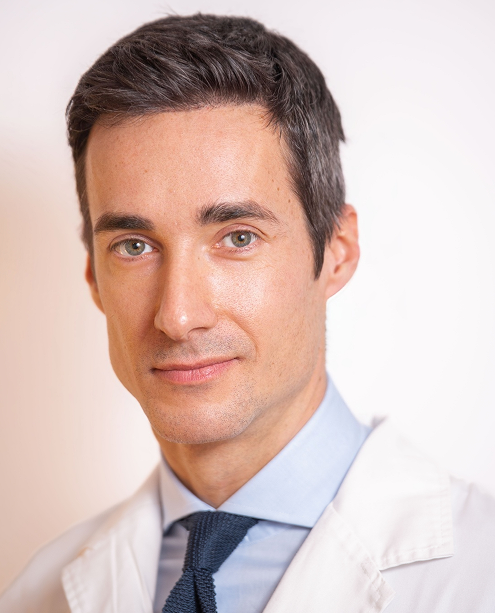
Dr Richard Fakin
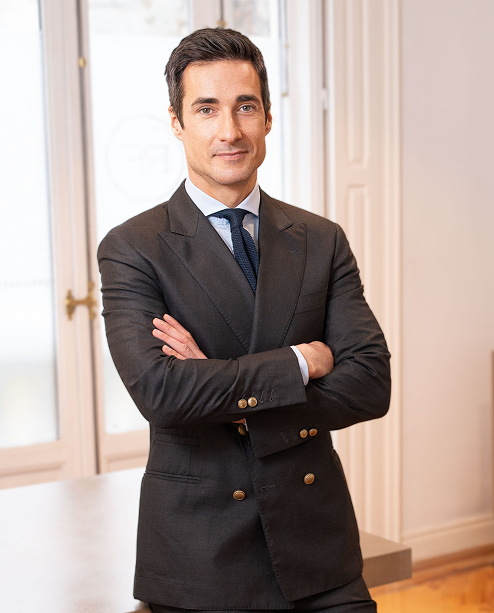
The Dr. Richard Fakin He is a Swiss-Italian plastic surgeon who graduated in Medicine from the University of Vienna. He completed his training at the University Hospital of Bern and the University Hospital of Zurich, where he joined the Division of Plastic Surgery in 2010. Since 2018, he has been a member of the European Board of Plastic Surgery (EBOPRAS) and an Associate Professor (PD) at the University of Zurich. He is a member of the Swiss, Spanish and International Societies of Plastic Surgery and has performed over 10,000 surgical procedures. The their patients’ experiences show what support looks like throughout the process.
Facial lift quote: the first step is the assessment
The cost of a facelift depends on a specific surgical plan: the areas involved, the type of facelift, the anaesthesia and any combined procedures. The most reliable way to find out is to have an individual consultation with a specialist plastic surgeon, who will draw up that plan and answer any questions you may have about the operation and recovery.
If you are considering a facelift in Madrid or Zurich, book a consultation with Dr Richard Fakin’s team so they can assess your case and provide you with a personalised quote.
This content is for information purposes only and is not a substitute for an individual medical assessment.