Facial treatments can address various aspects of the face, such as skin quality, loss of volume, expression lines, sagging or a lack of definition in certain areas. In some cases, these can be carried out using non-surgical procedures; in others, it may be necessary to consider facial surgery to achieve a more structural and long-lasting change.
There is no single facial treatment that is suitable for all patients. The choice depends on the patient’s anatomy, age, skin type, degree of sagging, distribution of facial volume and individual goals. For this reason, a personalised medical assessment is essential to determine which option may be most suitable in each case.
The aim should not be to transform the face, but to improve its balance, soften certain signs of ageing and respect each patient’s facial identity.
What are facials?
Facial treatments are medical or surgical procedures designed to improve the appearance of the face. They may focus on the skin, facial volume, facial definition, the eyes, the jawline or the overall harmony of the face’s proportions.
Some treatments aim to improve skin texture or give the skin a more rested appearance. Others are recommended in cases of loss of volume, sagging or excess skin. There are also procedures that help to define specific areas, such as the cheekbones, cheeks, chin or jawline.
The key lies in selecting the appropriate treatment based on the facial assessment. In aesthetic medicine and facial surgery, treating an isolated area without considering the overall picture can lead to results that look unnatural or unbalanced.
Facial treatments tailored to the patient’s goals
Every patient comes for a consultation for a different reason. Some people wish to improve the quality of their skin; others want to smooth out wrinkles, restore volume or better define their facial contours. For this reason, facial treatments must always be tailored to the specific goal and anatomy of each individual case.
| Facial lens | Treatments that may be considered |
|---|---|
| Smooth out expression lines | Neuromodulators |
| Restoring facial volume | Dermal fillers or facial lipofilling |
| Improve skin texture and quality | Microneedling, K-Laser or other skin treatments |
| Treating sagging skin on the face | Facelift or thread lift in selected cases |
| Relieving tired eyes | Blepharoplasty or periocular treatments |
| To slim the cheeks or define the cheekbones | Bichectomy in suitable patients |
| Improving facial harmony | Facial surgery, facial feminisation or a combination of treatments |
This classification is for guidance only. The final diagnosis must be made following a medical assessment, as two patients with the same concern may require completely different treatments.
Non-surgical facial treatments
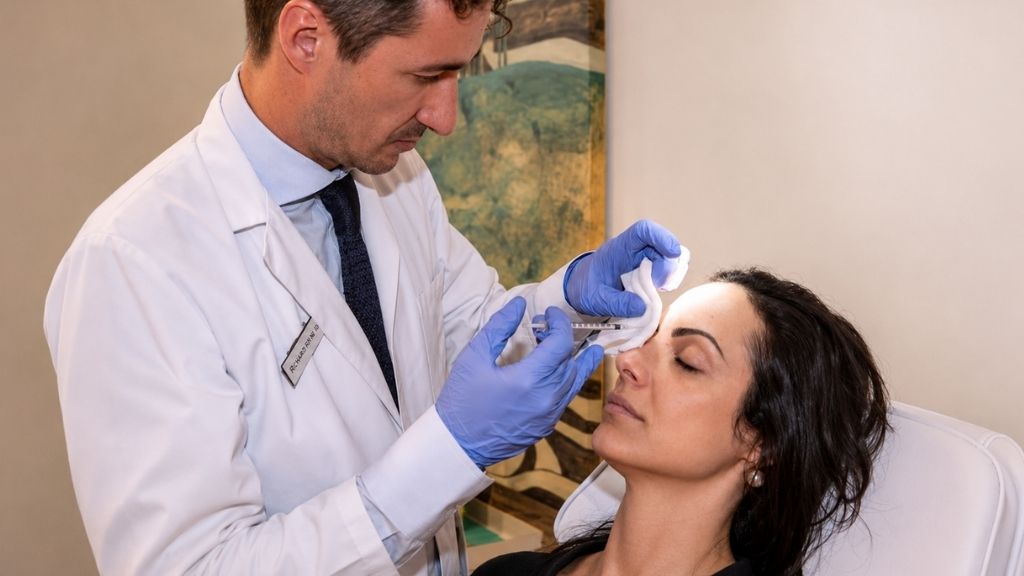
Non-surgical facial treatments can be an option for those seeking a gradual improvement in the appearance of the face without undergoing surgery. They are generally recommended for patients with mild or moderate signs of facial ageing, good skin quality, or specific concerns relating to skin texture, radiance, volume or facial expression. Options that may form part of a personalised plan include:
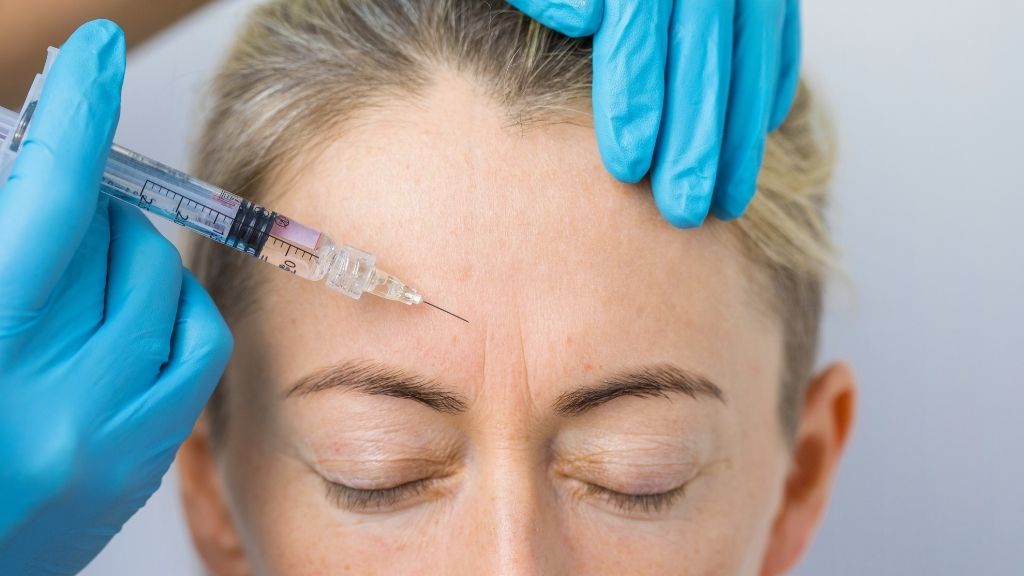
Neuromodulators, to smooth out expression lines in areas such as the forehead, between the eyebrows or around the eyes, whilst maintaining a natural look.
Dermal fillers, to restore lost volume, improve facial proportions or provide support in specific areas of the face.
Microneedling and K-Laser, to improve skin quality, texture, radiance and minor skin imperfections.
Thread Lift, in selected cases where a moderate improvement in firmness is sought without surgery.
The choice of treatment always depends on the doctor’s assessment. Not all treatments are suitable for all patients, and in some cases it may be preferable to combine several techniques in a planned manner.
Non-surgical facial treatments can improve certain aspects of the face, but they are no substitute for facial surgery where there is significant sagging, excess skin or more significant structural changes. In such cases, it may be necessary to consider other options to achieve a more lasting and balanced result.
Surgical facial treatments
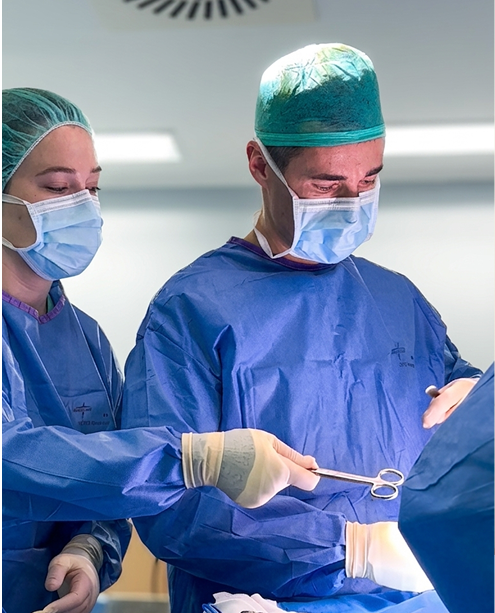
Surgical facial treatments may be recommended when the aim is to correct changes that cannot be adequately addressed with non-surgical procedures. These may include facial sagging, excess skin, bags under the eyes, loss of definition or disproportion between different areas of the face.
The aim of facial surgery should not be to alter the patient’s expression, but rather to improve the harmony of the face, reposition tissues where necessary, and achieve a natural result that is consistent with their features. Procedures that may be considered include:
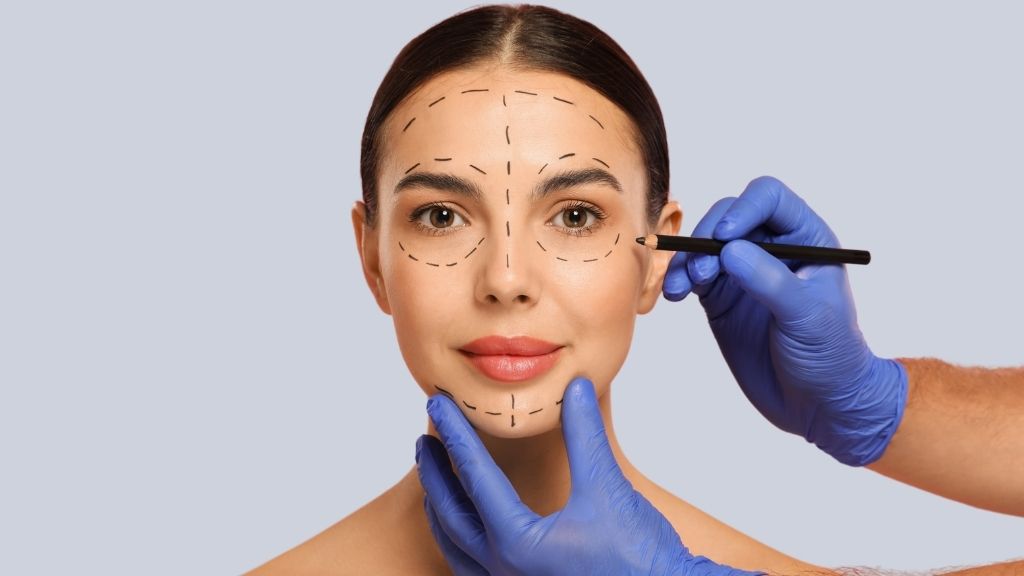
Facelift, to improve sagging of the face or neck and restore greater facial definition.
Blepharoplasty, to treat excess skin on the eyelids, bags under the eyes or a tired-looking appearance.
Facial lipofilling, to restore volume using the patient’s own fat and improve the harmony of the face.
Bichectomy, to slim the cheeks and define the cheekbones in patients with excess volume in the Bichat fat pads.
For patients seeking a more comprehensive change to their facial features, a personalised plan may be considered, including procedures such as:
- Facial harmonisation, when the aim is to improve the balance between different areas of the face.
- Facial feminisation, in patients who wish to soften certain features and achieve a more feminine facial appearance.
- Facial masculinisation, when the aim is to emphasise features associated with a more masculine facial structure.
The choice of procedure should always be based on an individual assessment. In facial surgery, planning is just as important as the technique itself: the aim is to improve proportions without compromising a natural appearance.
Deep Plane Facelift: the actual progression of the results
The Deep Plane Facelift is an advanced facelift technique that aims to reposition the deep facial tissues, including the superficial musculoaponeurotic system (SMAS), without relying solely on skin tension.
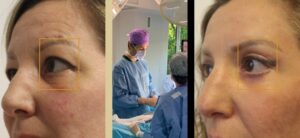
In this video, Dr Richard Fakin shows the progress of a case five weeks after the procedure. At this stage, a gradual improvement in the definition of the jawline, the midface and the neck-chin angle can already be seen, although the result continues to settle as the weeks go by.
How do you know which facial treatment is best for you?
The best way to choose a facial treatment is to carry out a comprehensive assessment of the face. It is not enough to analyse a single wrinkle, an area with volume or a specific part of the face. It is necessary to examine the overall proportions, the quality of the skin, the underlying bone structure, the distribution of facial fat and the relationship between the different areas.
In some patients, non-surgical treatment may be sufficient to achieve a modest improvement. In others, surgery may be more appropriate if there is sagging, excess skin or structural changes. There are also cases in which the best option is to combine different techniques in a planned manner.
A medical assessment helps to determine whether the desired outcome can be achieved through cosmetic medicine, facial surgery or a combination of both. It also helps to set realistic expectations regarding the results and the recovery process.
Facial treatments and natural results
One of the most important aspects of facial treatments is a natural look. A good result should not make the face look different or artificial, but rather more balanced, rested and in keeping with the patient’s facial features.
To achieve this, it is essential to avoid going overboard. More volume, more tension or more product do not always mean a better result. In many cases, subtle, well-planned changes offer a more elegant and long-lasting improvement.
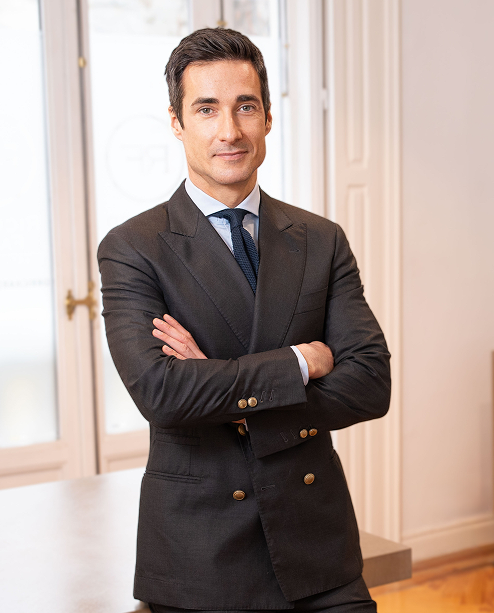
Dr Richard Fakin’s approach is based on assessing the face as a whole and selecting the most appropriate treatment for each patient. The priority is to respect the patient’s natural features, enhance facial harmony and avoid exaggerated results.
Facial treatments in Madrid with Dr Richard Fakin
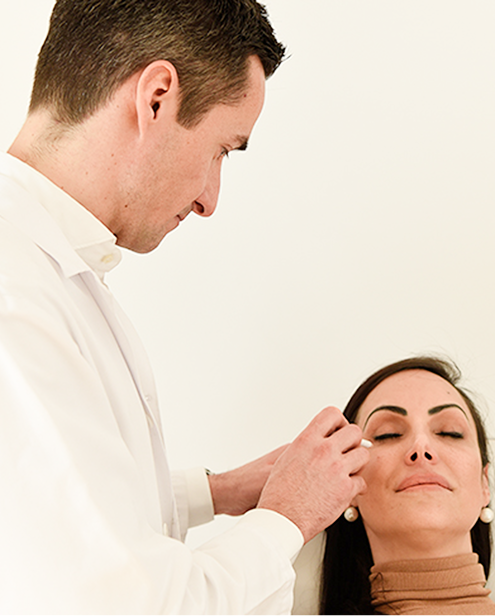
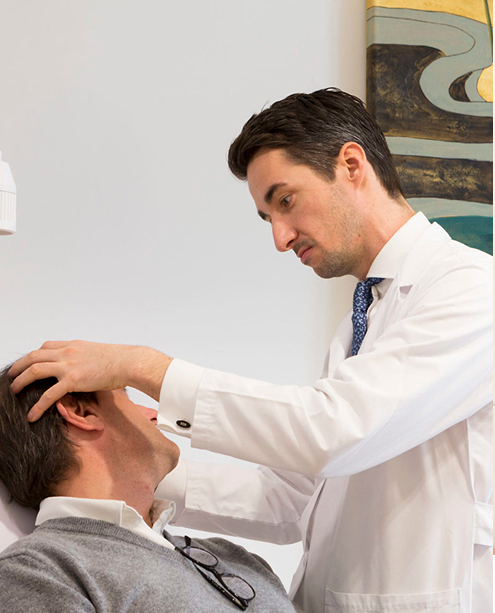
Dr Richard Fakin offers a personalised assessment for patients who wish to improve the harmony, definition or appearance of their face. During the consultation, facial proportions, skin quality, volume, sagging and the patient’s goals are analysed.
Based on this assessment, it can be determined whether the patient would benefit most from non-surgical treatment, facial surgery or a combination of procedures. Each plan is tailored to individual needs, aiming for a natural, safe and proportionate result.
Facial treatments can help improve various aspects of the face, but choosing the right treatment is key. That is why the first step is always to carry out a personalised assessment of each individual case.
Frequently Asked Questions about Facial Treatments
What is the best facial treatment?
What non-surgical facial treatments are available?
When is the best time to consider facial surgery?
Can several facial treatments be combined?
Do facials change the way your face looks?
How long do the results last?
Personalised assessment
If you’re considering a facial treatment, the first step is to find out which option is best suited to your face. It’s not about choosing a single procedure, but about understanding what each area needs and how to achieve a balanced improvement.
Dr Richard Fakin will assess your case on an individual basis to draw up a plan tailored to your proportions, your goals and the natural-looking result.